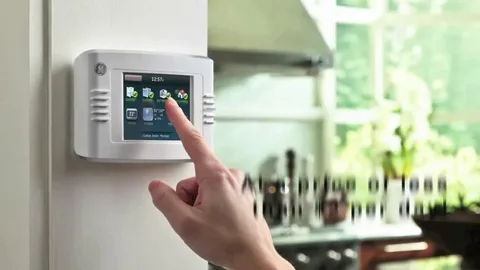
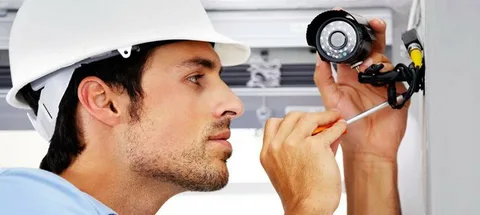
Property security starts with understanding potential risks and choosing the right protection. Homes and businesses in Prussia, PA, need dependable security solutions that help protect people, belongings, and valuable assets. A well-planned alarm system can provide an additional layer of protection while helping property owners feel more confident about their surroundings.
Modern security technology offers several options, including motion detectors, door sensors, window sensors, and smart monitoring features. However, choosing the right equipment requires careful consideration of property size, entry points, daily routines, and security concerns.
Reliable Safe Protect Home helps property owners understand the value of suitable alarm protection. The company focuses on security solutions that support safer residential and commercial environments. Furthermore, professional guidance can help customers select equipment that fits their specific needs.
From single-family homes to larger commercial properties, an effective security setup should offer practical coverage. Therefore, property owners should consider both immediate security needs and future requirements before choosing an alarm system.
Why Modern Alarm Systems Matter for Property Security
Understanding the Role of an Alarm System
An alarm system helps detect unusual activity around a property. It uses connected devices to identify potential security concerns and alert property owners or monitoring services. Depending on the setup, these devices can detect unauthorized entry, movement, and other unexpected activity.
Traditional security methods often rely on physical locks and regular inspections. However, modern alarm technology adds another layer of awareness. For example, door and window sensors can help identify unexpected access attempts.
Property owners in Prussia should consider the layout of their buildings before selecting equipment. A home with several entrances may need more sensors than a smaller property. Likewise, commercial spaces may require coverage for storage rooms, offices, and less frequently used entrances.
An effective system should address specific risks rather than simply include more devices.
Benefits Beyond Basic Protection
Alarm systems can also support everyday convenience. Many modern options allow users to check system status through connected devices. Additionally, some systems offer notifications when sensors detect unusual activity.
These features help property owners stay informed when they are away. Nevertheless, alarm systems work best alongside good security habits. Strong locks, proper lighting, and secure windows remain important parts of a complete protection plan.
Choosing the Right Safe Protect Home Security Solution
Reliable Protection Starts With the Right Plan
Reliable Safe Protect Home security solutions should reflect the property’s actual requirements. Every building has different access points, layouts, and potential security concerns. Therefore, property owners should evaluate their surroundings before selecting equipment.
A thoughtful security plan can reduce unnecessary devices while improving coverage in important areas. It should also consider how residents or employees use the property throughout the day.
Here are five practical points to consider:
- Property size: Larger buildings may require additional sensors and monitoring equipment.
- Entry points: Identify doors, windows, garages, and other accessible areas.
- Daily routines: Consider when the property remains occupied or empty.
- Technology needs: Decide whether smartphone notifications and remote access would be useful.
- Future changes: Choose a system that can accommodate additional devices if needed.
Furthermore, property owners should understand the available features before making a decision. Some systems focus on basic intrusion detection, while others offer more connected functions.
The right setup should remain easy to operate. Complicated controls can create confusion, especially when several household members or employees use the system.
Understanding Professional Alarm Installation Services
Why Proper Installation Makes a Difference
Security equipment needs correct placement and configuration to perform as intended. Poorly positioned sensors may leave important areas uncovered. Similarly, incorrect settings can cause unnecessary alerts or reduce system effectiveness.
Professional Alarm Installation Services help address these concerns through proper planning and equipment setup. An installation professional can review the property, identify suitable sensor locations, and explain how different components work together.
Five practical installation considerations include:
- Sensor placement: Position sensors according to the manufacturer’s recommendations.
- System compatibility: Check that all selected devices work together.
- Control panel access: Choose a convenient and secure location.
- Power requirements: Understand backup power options and battery maintenance.
- System testing: Confirm that sensors and alerts respond as expected.
Additionally, property owners should request clear instructions after installation. They should understand how to arm and disarm the system, manage access codes, and respond to alerts.
Features to Consider Before Installing an Alarm System
Practical Technology for Everyday Security
Modern alarm systems offer different features depending on the equipment and service selected. However, not every property needs every available feature. The best approach involves choosing technology that solves specific security concerns.
For example, a residential property may benefit from door sensors, window contacts, and motion detection. Meanwhile, a business may need additional coverage for storage areas and restricted spaces.
Consider these five features when comparing systems:
- Motion detection: Helps identify movement within selected areas.
- Door and window sensors: Detect when protected entry points open.
- Mobile notifications: Provide updates about system activity when supported.
- Remote access: Allows users to manage compatible systems through connected devices.
- Backup power: Helps certain systems continue operating during power interruptions.
Furthermore, users should ask about communication requirements. Some connected systems depend on internet access or cellular service. Understanding these requirements helps avoid unexpected limitations.
Privacy also deserves attention. Property owners should review account permissions, access codes, and data policies before activating connected features.
Professional Alarm Installation and Long-Term Maintenance
Keeping Security Equipment Dependable
Installing an alarm system is only the beginning of responsible property security. Regular maintenance helps ensure that equipment remains in good working condition. Additionally, property owners should understand how to recognize common system issues.
Five useful maintenance practices include:
- Check batteries: Replace batteries according to manufacturer instructions.
- Test sensors: Follow the recommended testing schedule.
- Review notifications: Make sure contact details remain accurate.
- Inspect equipment: Look for visible damage or loose components.
- Update settings: Review access permissions when household or employee arrangements change.
Property owners should also understand what happens when an alarm activates. Keep emergency contact information current and follow the system provider’s instructions.
Professional Alarm Installation Services in Philadelphia, PA can also help property owners understand available maintenance support. However, users should never assume that every system includes automatic monitoring or emergency response.
For larger properties, periodic security reviews can identify changes in access points or building use. Consequently, the system can remain suitable as security needs develop.
Conclusion
Choosing the right alarm system is an important step toward protecting a home or business. A reliable setup combines suitable equipment, proper placement, clear operating instructions, and regular maintenance. Therefore, property owners should evaluate their security requirements before investing in new technology.
Residents and business owners should also consider how their daily routines affect property access. For example, frequently used entrances, garages, and ground-floor windows may require additional attention. Moreover, connected features can provide useful updates when users are away, provided the equipment supports them.
For property owners seeking reliable Professional Alarm Installation in Prussia, PA, understanding available options can make the selection process easier. Philadelphia, PA, property owners can also benefit from reviewing their building layouts and identifying suitable security features before installation.
Safe Protect Home provides a starting point for exploring property security options. Before choosing a solution, ask about equipment compatibility, installation requirements, maintenance, and available monitoring features.
Ultimately, good security planning involves more than purchasing equipment. It requires understanding potential risks and choosing practical measures that support everyday protection. With the right approach, property owners can build a security setup that meets their needs and provides greater confidence over time.
FAQs
1. What does an alarm system do?
An alarm system detects certain security events, such as unauthorized entry or unexpected movement, and triggers an alert.
2. Why should I consider professional alarm installation?
Professional installation helps ensure correct equipment placement, proper configuration, and suitable coverage for your property.
3. Can I monitor my alarm system remotely?
Some modern systems support smartphone applications that allow users to check system status and receive notifications remotely.
4. How often should I test my alarm system?
Follow the manufacturer’s recommended testing schedule. Regular checks help identify sensor, battery, and connection issues.
5. Are alarm systems suitable for commercial properties?
Yes. Businesses can use alarm systems to monitor entry points, offices, storage areas, and other spaces based on their security requirements.