Need structured cabling services in Philadelphia PA? Learn what it costs, what the process looks like, and how to find a certified cabling contractor near you.
Walk into any modern office, medical facility, or commercial building and you’re standing on top of a cabling infrastructure that nobody thinks about until it stops working. The cables in the walls, ceilings, and conduit runs are what carry data, phone signals, security camera footage, and building automation instructions from one point to another. When that infrastructure is well-planned and professionally installed, everything works quietly and reliably for years. When it isn’t, you spend those same years troubleshooting slow connections, tracking down mystery outages, and eventually paying to redo work that should have been done right the first time.
Structured cabling is the organized, standards-based way to build that infrastructure. Philadelphia, PA has an enormous range of building types — century-old rowhouses being converted to offices, new mixed-use developments along the waterfront, established medical campuses, and corporate campuses in the surrounding suburbs. Each one presents different challenges for cabling work, but the need for a professional, documented, standards-compliant installation is the same across all of them.
We work with Philadelphia property owners and businesses on cabling projects of all sizes, and the pattern is consistent — the buildings with organized, properly installed cabling are easier to maintain, faster to upgrade, and cheaper to operate over time. AtSafe Protect, we want every property owner in the area to understand what structured cabling actually involves before they hire anyone to do it. This guide gives you that foundation.
Why Structured Cabling Matters More Than Most People Realize
Most building owners and office managers don’t think much about their cabling until something breaks. That’s understandable — cables in the walls are invisible and easy to ignore. But the cabling infrastructure is the foundation that every connected device in the building depends on, and a foundation that was put together without planning or standards causes problems that compound over time.
Think about what runs over your building’s cabling: internet connections for every workstation, VoIP phone systems, wireless access point backhaul, security cameras, door access control readers, and in many buildings, HVAC and lighting controls. Every one of those systems is only as reliable as the cable runs supporting it.
According to the Building Industry Consulting Service International (BICSI), a significant percentage of commercial network performance problems trace back to cabling deficiencies rather than failures in active network equipment like switches and routers. That means a slow network or a dropped connection that everyone assumes is a router problem is often actually a termination issue, a cable that’s been bent too tightly around a corner, or a patch panel that was never properly organized. Fixing those problems after the fact is expensive. Installing correctly from the start is not.
The other reason structured cabling matters is longevity. A properly installed Cat6 or Cat6A cabling system, with tested and documented runs, can support the building’s network needs for 15 to 20 years even as active equipment gets upgraded multiple times during that period. The cabling investment made today pays back across every technology cycle the building goes through.
What Structured Cabling Services in Philadelphia Actually Cover
The term “structured cabling” covers a range of work depending on the building type and the scope of the project. Here’s what each piece typically involves so you know what to expect when talking to a contractor.
Horizontal cabling is the runs from each work area outlet or device location — a desk, a camera mount, a wireless access point — back to the telecommunications room or server room on that floor. These runs are the backbone of the system and the most labor-intensive part of a typical installation.
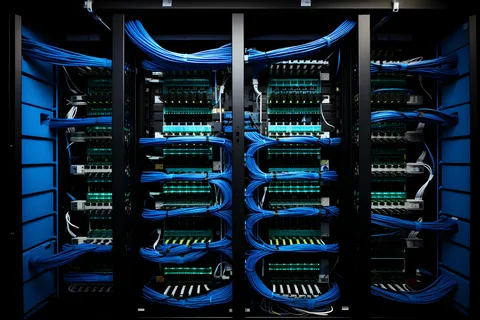
Telecommunications room (TR) setup involves installing the patch panels, cable management hardware, and switching equipment racks that organize all the horizontal runs coming in from the floor. A well-organized TR makes troubleshooting straightforward and future changes easy to make. A disorganized one turns every maintenance visit into a guessing game.
Backbone cabling connects telecommunications rooms on different floors or in different buildings. In multi-story buildings this is typically fiber optic cable running vertically through riser conduit. In single-floor buildings it may be a short copper or fiber run between network closets.
Testing and certification is the step that confirms every run meets the performance standard specified for the installation. Every cable run should be tested with a certification-grade tester — not just a basic continuity checker — and the results should be provided to the building owner as part of the project deliverables.
Documentation completes the installation. A full set of as-built drawings, a cable schedule labeling every run, and the test report package give the building owner a clear record of what was installed and how it was organized. This documentation is what separates a professional installation from a job that just gets cables in the wall.
Common Structured Cabling Project Types in Philadelphia
Philadelphia’s building mix creates a wide range of project types, and knowing which category applies to your property helps you get the right contractor and the right scope of work.
| Project Type | Typical Scope | Key Requirement |
| New commercial construction | Full horizontal and backbone from scratch | Standards compliance, coordination with other trades |
| Office tenant fit-out | Horizontal cabling for leased space | Coordination with building’s existing TR infrastructure |
| Network infrastructure upgrade | Replace Cat5e with Cat6 or Cat6A | Pathway audit, documentation of existing runs |
| Data center / server room cabling | High-density structured cabling | Precision termination, cable management, airflow |
| Residential structured cabling | Whole-home network and AV infrastructure | Integration with security, smart home, AV systems |
| Campus / multi-building | Fiber backbone between buildings | Licensed outside plant installation |
Property owners looking for the best structured cabling company near me in Philadelphia PA will find that the project type shapes everything — the cable category needed, the certifications the contractor should hold, and the timeline and cost of the work.
What Cable Category Is Right for Your Philadelphia Building?
One of the first questions in any structured cabling project is what cable category to specify. The answer shapes cost, performance, and how long the infrastructure stays current.
Cat5e was the dominant standard through most of the 2000s and is still found in many older Philadelphia offices. It supports speeds up to 1 Gigabit per second at the standard 100-meter run length. For buildings with modest bandwidth needs and well-maintained existing Cat5e infrastructure that passes testing, what’s already in the walls may be adequate without a full replacement.
Cat6 is the current standard for new commercial installations. Expert Structured cabling services in Philadelphia PA that specify Cat6 support 1 Gigabit at full run length and 10 Gigabit at shorter distances up to 55 meters. The improved crosstalk performance compared to Cat5e makes it the right specification for new office fit-outs and upgrade projects where 10 Gigabit switching is planned or anticipated.
Cat6A supports 10 Gigabit at the full 100-meter distance, making it the right choice for high-density environments, data centers, and buildings where 10 Gigabit to every desktop is a current or near-term requirement. It’s larger and more expensive than Cat6 but provides the headroom that demanding environments need.
Fiber optic cabling is used for backbone runs and any application requiring very high bandwidth over distances that exceed copper’s practical range. It’s also immune to electromagnetic interference, which matters in industrial environments and buildings with significant electrical equipment nearby.
How Much Do Structured Cabling Services Cost in Philadelphia PA?
Having a realistic sense of cost ranges helps you evaluate proposals fairly and recognize when something is priced too low to include the work that actually needs to happen.
A basic office fit-out covering 20 to 30 cable drops with Cat6 cabling, patch panel, cable management, testing, and documentation typically runs between $3,500 and $7,500 in the Philadelphia market. This covers the full horizontal cabling scope for a small office space including tested and documented runs.
A mid-size commercial project covering 50 to 100 drops with a more organized telecommunications room, fiber backbone work between floors, and full cable management generally runs between $12,000 and $28,000 depending on building conditions, pathway availability, and the complexity of the TR setup.
Larger projects — data center cabling, multi-floor infrastructure upgrades, or full campus backbone installations — can run from $35,000 to several hundred thousand dollars depending on scope and cable category.
According to the National Electrical Contractors Association, labor represents a significant portion of total cabling project cost, and the skill level of the installation crew directly affects both quality and the likelihood of passing post-installation testing on the first attempt. Choosing a contractor based primarily on the lowest bid typically results in failed test results, remediation work, and a higher total cost than hiring a qualified contractor from the start.
Closing Thoughts
Structured cabling is the infrastructure that everything else in a modern building runs on. Getting it right at installation means lower maintenance costs, easier troubleshooting, and the flexibility to upgrade technology without rewiring the building. Getting it wrong means persistent performance problems and an eventual remediation project that costs more than doing it properly would have.
For any homeowner upgrading a residential network or a Philadelphia business owner planning a new office fit-out or building renovation, the right approach starts with a contractor who understands the standards, holds the certifications to back them up, and delivers tested and documented results at the end of the project.
Safe Protect serves Philadelphia and the surrounding Pennsylvania area with professional structured cabling installation for residential, commercial, and enterprise applications. Call us today for a free assessment and a detailed quote for your specific project.
FAQs
How long does a structured cabling installation take in Philadelphia PA? A standard office fit-out covering 20 to 30 cable drops typically takes two to four days from start to tested, documented completion. Projects covering 50 to 100 drops generally take one to two weeks. Larger data center or multi-floor projects can run several weeks depending on scope. The timeline is affected by conduit and pathway availability, coordination with other trades in active construction, and whether existing infrastructure needs to be documented or cleared before new cabling begins. Your contractor should provide a phased project schedule after the initial site survey with realistic milestones for each phase. Rushed cabling projects consistently produce higher rates of test failures and documentation gaps that create ongoing headaches for the building owner.
What certifications should a structured cabling contractor in Philadelphia hold? BICSI membership and certification is the most meaningful credential for structured cabling work. The BICSI Installer 2 credential indicates field installation competency, and the RCDD (Registered Communications Distribution Designer) credential covers system design to professional standards. Manufacturer certification from the cabling system manufacturer — Commscope, Belden, Leviton, Panduit, and others — is also worth asking about. Manufacturer-certified installers can provide extended system warranties of 15 to 25 years covering both materials and installation quality. These warranties are only available through certified installers and provide meaningful long-term protection for building owners. Ask any contractor you’re considering to provide documentation of their certifications before you engage them for the project.
Does structured cabling in Philadelphia require permits? Low-voltage cabling work requires a permit for commercial projects in Philadelphia. The City’s Department of Licenses and Inspections oversees low-voltage permitting, and licensed low-voltage contractors are required for permitted commercial work. Your cabling contractor should handle permit applications as part of the standard commercial project scope. Residential structured cabling requirements may vary depending on the scope and whether any work crosses into line-voltage electrical territory. Ask your contractor specifically whether permits are included in their proposal and confirm they hold the appropriate Philadelphia business licenses and contractor credentials before work begins.
What is the difference between Cat6 and Cat6A for a Philadelphia office? Cat6 supports 1 Gigabit at full 100-meter run length and 10 Gigabit at shorter distances up to 55 meters. It’s the right choice for most new office fit-outs in Philadelphia where standard Gigabit desktop connections are the primary need and 10 Gigabit switching may be added in the future. Cat6A supports 10 Gigabit at the full 100-meter distance, making it the right specification for high-density environments, data centers, buildings where 10 Gigabit to every workstation is a current requirement, or installations supporting high-bandwidth wireless access points with 10 Gigabit backhaul. Cat6A is heavier, takes up more conduit space, and costs more per run than Cat6. For most standard offices, Cat6 is the practical choice. For demanding environments, Cat6A is worth the additional cost upfront.
How do I know if my existing cabling needs to be replaced or can be reused? A professional cabling audit using a certification-grade tester answers this definitively. A qualified contractor can test every existing run against current performance standards, document what’s actually installed, identify abandoned cables and improper terminations, and give you a clear picture of what’s usable and what needs to go. Many Philadelphia buildings have Cat5e infrastructure in good physical condition that passes testing — in those cases, upgrading patch panels and switches can achieve significant performance improvements without pulling new cable. Buildings with original Cat5 cable, heavily modified infrastructure from multiple contractors over many years, or runs that fail certification testing generally need a full replacement. Ask for a cabling audit report before committing to either path — the test data should drive the decision, not assumptions about the building’s age.