Planning CCTV in North Wales PA? Here’s a real guide to camera types, costs, install steps, and what actually works.
Security cameras used to be a thing for banks and convenience stores. Now they’re showing up on every other house and small business in Montgomery County. The technology got cheaper, the cameras got smaller and smarter, and folks figured out that having video of what happens around your property is actually pretty useful.
But the gap between a good CCTV install and a bad one is huge. We’ve seen homeowners pay good money for systems that record fuzzy nothing at night, miss the front door entirely, and store footage in places that get hacked within months. We’ve also seen $4,000 systems that catch every package thief, every late-night visitor, and every odd thing happening in the driveway.
So today we want to walk through what a real CCTV install in North Wales actually looks like. Camera types, costs, where to put them, and what to ask before signing anything. If you’re starting to look at security camera options for your home or small business, Safe Protect has been handling installations across the greater Philadelphia area for years and we know what the local market really needs.
Why CCTV Matters More Than Folks Think
Crime statistics tell a real story. According to FBI Uniform Crime Reporting data, properties with visible security cameras experience about 60% fewer burglary attempts than properties without them. The deterrent effect alone justifies the cost for many homeowners.
For businesses, the numbers are even bigger. A National Retail Federation study found that small businesses with CCTV systems reported significantly lower losses from theft, shoplifting, and employee-related shrinkage compared to those without coverage.
Have you ever heard a story from a neighbor about a package theft and thought “I should probably do something about this”? Most CCTV installs start exactly that way.
The Types of Cameras You’ll See in a Quote
Before talking install, you need to know what types of cameras are out there. The market has gotten complicated, but most home and small business setups use a handful of common types.
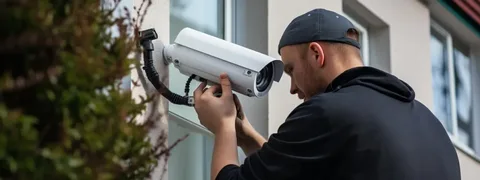
Bullet cameras are the long, cylinder-shaped ones you see on the outside corners of buildings. They’re aimed in one direction, easy to mount, and good for covering driveways, fences, and parking areas.
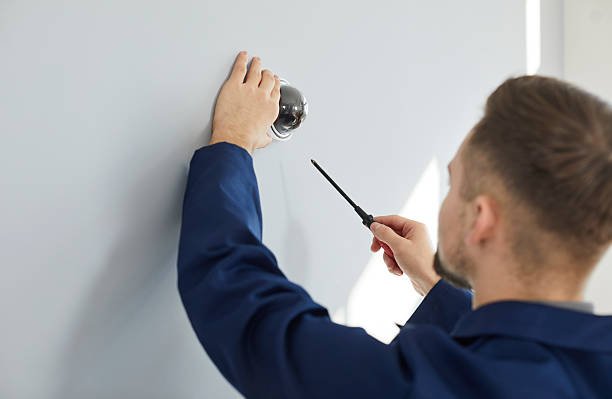
Dome cameras are the round, half-sphere ones often mounted on ceilings or under eaves. They blend in better than bullets and offer wider viewing angles.
PTZ cameras (pan-tilt-zoom) can rotate and zoom in on command. These cost more but cover large areas like commercial parking lots or wide front yards.
Turret cameras look like dome cameras but with a ball that can be aimed in any direction. Many newer installs use these because they offer flexibility without the bulk.
Each type has its place. A good installer picks the right camera for each spot based on coverage needs, not because they have leftover stock.
Common North Wales Coverage Areas
Most North Wales homeowners want cameras in these spots:
- Front door (covering the porch and approach)
- Driveway (catching license plates and vehicle approaches)
- Back yard (covering patios and side gates)
- Garage doors
- Side approaches between houses
Small businesses usually want:
- Entry doors (interior and exterior views)
- Cash register or POS areas
- Loading docks or back entrances
- Parking lots
- Storage rooms
A typical residential install runs 4 to 8 cameras. Small commercial installs might run 8 to 16. Larger commercial properties can easily go past 24 cameras.
What CCTV Installation Actually Costs
Here’s a quick reference for typical CCTV installation pricing in the North Wales area:
| Setup Type | Camera Count | Cost Range |
| Basic residential | 4 cameras | $800 – $2,000 |
| Standard residential | 6-8 cameras | $1,800 – $4,500 |
| Premium residential | 8-12 cameras | $4,000 – $8,500 |
| Small business | 6-10 cameras | $2,500 – $6,500 |
| Mid-size commercial | 12-20 cameras | $6,500 – $15,000 |
| Large commercial | 20+ cameras | $15,000 – $40,000+ |
These ranges cover the cameras themselves, the recording equipment (NVR or DVR), cabling, mounting, configuration, and labor. They don’t usually cover ongoing monitoring services if you want someone watching feeds remotely.
What drives the price up or down? Camera resolution (4K costs more than 1080p), night vision quality, weatherproof rating, recording capacity, and how complicated the cable runs are inside your walls.
The Wiring Question
Here’s something a lot of folks don’t think about until install day. CCTV cameras need power and a data connection. Wireless cameras seem simpler but they still need power, and they rely on your Wi-Fi network to work properly.
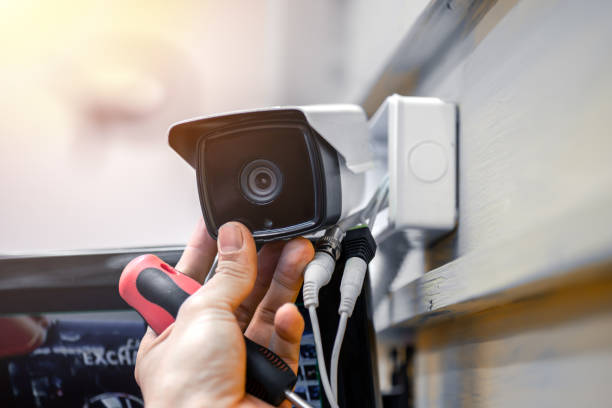
Wired cameras (using PoE — Power over Ethernet) are way more reliable. One cable carries both power and data. The catch is that someone has to actually run that cable from each camera back to the recording equipment.
For new construction or renovations, pre-wiring is the way to go. For existing homes, expect the installer to fish cables through walls, attics, or crawlspaces. This is the part of the job that takes the most time and skill.
For North Wales homeowners who want a clean, hardwired install that lasts, Expert CCTV Installation in North Wales, PA is the kind of local service that gets the wiring right the first time.
Storage and Recording: Where Footage Lives
Your cameras capture video. That video has to go somewhere. There are a few options.
Network Video Recorder (NVR) stores footage on a hard drive at your property. You own the data. No monthly fees. Storage is limited by drive size — typically 2 to 14 days of continuous recording before older footage gets overwritten.
Cloud storage sends footage to a remote server. Usually subscription-based, costs $5 to $50 per month per camera depending on retention. Footage survives even if the recording equipment gets stolen or damaged.
Hybrid setups use both. Local storage for everything, cloud backup for important clips. This is what we recommend for most serious installs.
Storage capacity matters more than people realize. If something happens but you don’t notice for two weeks, the footage might already be overwritten. Plan retention based on your real needs.
Night Vision and Low Light
Most security incidents happen at night. So night vision performance is often more important than daytime quality.
Modern cameras use infrared (IR) LEDs to illuminate scenes invisibly. Quality cameras have effective night vision ranges of 60 to 100 feet. Cheaper ones might only reach 30 to 40 feet, and the image quality drops fast at distance.
Color night vision is a newer feature that uses sensitive sensors and ambient light to capture color images in low light. Way more useful for identifying clothing, vehicles, and faces than black-and-white IR footage. Worth the extra cost on cameras that face main approaches.
What to Look for in an Installer
Not every electrician or handyman can install CCTV properly. Here’s what to check:
- Pennsylvania state license or business registration
- General liability insurance (at least $500,000)
- Specific CCTV install experience (not just home theater work)
- Knowledge of local privacy laws
- Warranty on labor (1 year minimum)
- References from recent local installs
A bad installer might mount cameras pointing at neighbors’ windows (illegal in PA), leave cables exposed where they can be cut, or set up systems with default passwords that get hacked within weeks.
The U.S. Cybersecurity and Infrastructure Security Agency has reported a real uptick in compromised CCTV systems being used in cyberattacks. Default passwords and unsecured network configurations are the main entry points. A good installer addresses this from day one.
A North Wales Story Worth Sharing
A small business owner near Welsh Road called us last year. He’d had a DIY camera kit installed by a friend two years earlier. Eight cameras, looked impressive on paper. The reality was different.
Three of the eight cameras had stopped working over time and nobody noticed. The recording NVR had only 24 hours of storage before overwriting. Two cameras had been mounted with views pointing partially into a neighboring property — which the neighbor eventually complained about.
When his store got broken into one weekend, the only footage he had was 6 hours of grainy night vision that didn’t clearly show the suspect’s face. The whole system was basically useless when it mattered most.
We replaced everything with a properly designed install — 10 cameras, 30-day local storage, cloud backup of motion events, and clean legal coverage angles. Total cost was about $5,400. He told us six months later he sleeps way better knowing the system actually works.
Wrapping It Up
A real CCTV install isn’t just about hanging cameras on the wall. It’s about picking the right camera types for each spot, running clean cable, setting up proper storage, securing the network, and following Pennsylvania privacy laws. The gap between a $500 DIY kit and a $4,000 expert install isn’t just price — it’s whether the system actually works when you need it. For property owners ready to upgrade, the Best CCTV System Installation in North Wales, PA team is a strong place to start the conversation.
FAQs
How long does CCTV installation usually take?
Most residential installs run 1 to 2 days from start to finish for a typical 6 to 8 camera system. Small business installs might take 2 to 4 days. Large commercial projects can stretch to a week or more. Cable runs through finished walls take the most time, especially in older homes with limited attic or crawlspace access. A good installer gives you a realistic timeline up front.
Do I need a permit for CCTV installation in North Wales?
For most residential and small business installs, no permit is needed since the work is low-voltage and doesn’t involve structural changes. If your install involves running new electrical outlets, mounting cameras on shared structures, or installing equipment on commercial properties with strict zoning, permits may apply. Your installer should know the local rules and handle any paperwork if needed.
Can I view my CCTV cameras from my phone?
Yes, most modern CCTV systems include mobile apps that let you view live feeds and recorded footage from your phone. The setup involves configuring the recorder for remote access, usually through a secure cloud connection. A good installer walks you through the app setup and shows you how to use it. Make sure remote access uses strong passwords and two-factor authentication for security.
How many cameras do I really need?
For a typical North Wales home, 4 to 8 cameras covers most coverage gaps — front door, driveway, back yard, side approaches, and main entry points. Small businesses usually need 8 to 16 cameras depending on layout and risk areas. The right number depends on your property layout, not on hitting any specific count. A walkthrough with a real installer gets you to the right answer.
Are wireless cameras as good as wired ones?
For light residential use, wireless cameras work fine and are easier to install. For serious security applications, wired cameras win every time. They don’t depend on Wi-Fi signal strength, they don’t run out of battery, and they’re harder to interfere with. Most expert installers recommend wired PoE cameras for any setup intended to be a real security tool rather than a convenience feature.