
Category: alarm system installation

  • What to Expect from Alarm Installation Services in Norristown, PA
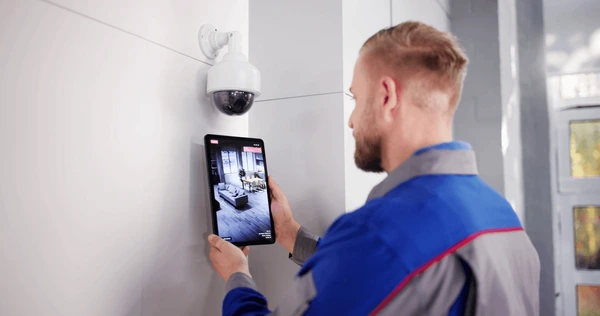
    What to Expect from Alarm Installation Services in Norristown, PA

    Commercial Alarm Installation in Norristown, PA: A Local Guide

    When protecting a property, local knowledge and the correct technology is essential. There are unique security concerns that business owners and residents of Montgomery County have all year round. The decision to hire a professional security layout is one that can help to protect assets, employees and families from intrusions they did not anticipate. The performance of these systems is strongly affected by local conditions such as building age, regional climate and municipal codes.

    There are certain steps involved in securing a commercial property that may be different from the approach used in securing a regular home. There is a fine line between employee access and the need to protect assets and as a property manager you need to strike a balance. Do you know what the vulnerabilities are in your current building layout? Knowing what is available in your area can make it easier to make an informed choice about your property.

    Security alarm installation by a professional will provide property owners with peace of mind. Local professionals are familiar with the components of a historic building on Main Street versus the components of a contemporary building near the Schuylkill River. This guide covers options, process and costs of establishing effective local area security systems.

    Security Alarm Installation for Local Properties is a crucial topic.

    Business owners opt for Security System Installation Services in Norristown, PA to effectively curb risks. These decisions are sometimes made based on local crime data. Data from the Federal Bureau of Investigation Uniform Crime Reporting Program (2022) show that over 97% of all reported offenses to law enforcement agencies across the country are classified as property crimes. The statistic shows how important strong physical security systems are for businesses and homeowners.

    For commercial properties, systems have to handle multiple access points and user codes. Threat detection solutions are unique for retail, offices and warehouses. An adequate setup will keep an eye on main entry points, loading docks and back offices at the same time.

    For residential needs perimeter defence and life safety features predominate. Typical components of home security system installation are door contacts, window sensors, and environmental detectors. These elements provide a family protection against break-in, fire and carbon monoxide leak.

    Local building codes establish certain electrical and mounting requirements. In order to avoid fire hazards, the systems must conform to National Electrical Code requirements in line with the code enforcement requirements of the City of Norristown. These compliance issues are taken care of by the professional installers during the installation process and you won’t have to face municipal fines.

    How many of the following types of systems are there? How many of the following kinds of systems do you see?

    The right choice of hardware will depend on the building design and the nature of the operations. Wireless signals are a challenge with older brick buildings in downtown. Wired signals are more stable for some addresses, particularly those with thick masonry walls, which can interfere with radio frequency signals.

    Wireless alarms are great for modern buildings and leased spaces. The systems consist of batteries and cell-communicators, thus eliminating the need for wiring in walls. This will make it easy to adjust the office layout later on.

    A burglar alarm can be a combination of wired and wireless circuit. It combines wires and wireless sensors in accessible and remote locations, respectively. It offers a balanced answer to complicated commercial floor plans.

    Alarm System TierAverage Local CostReliability RatingBest Used ForBattery Maintenance
    Basic Wireless$400 – $800MediumSmall Retail / ApartmentsEvery 3 to 5 Years
    Hybrid Commercial$1,200 – $2,500HighMulti-Room Offices / RestaurantsEvery 5 Years
    Hardwired Commercial$3,000 – $6,000+Very HighLarge Warehouses / IndustrialEvery 7 Years
    Advanced Integrated$4,500 – $8,500+Very HighHigh-Security FacilitiesEvery 5 to 7 Years

    The Step-by-Step Alarm System Setup Process

    The installation process starts with an in-depth physical examination of the premises. Technicians check all entry points, window locks and blind spots. They also test the cell phone and wireless signal within the premises and make sure that the monitoring communications are strong.

    Wiring and component placement is done once the system design is complete. Control panels are installed in safe locations such as utility closets or back offices by installers. They place keypads close to the main employee doors for quick access to keypads when opening and closing.

    The system can be programmed by setting up a user’s code and a sensor zone. A unique identifier is assigned to each sensor to allow the monitoring station to know the location of an alert. They also are tasked to link up environmental alarms such as smoke alarms and water leak detectors to the main hub.

    Ensuring that all sensors will trigger correctly with the complete setup before it goes live. Installers test for communication with off-site monitoring by simulating an alarm. During setup, safe protect home types of companies offer these complete checks of operation to ensure the communication is functioning correctly.

    Detailed Cost Breakdown of the Norristown Security Services

    The cost of the total solution will vary with hardware selection, monitoring contracts, and structural set-up complexity. The number of sensors increases with the size of the building, and costs of these sensors rises. This fee is charged monthly, depending on the type of monitoring response that you desire for the property.

    Cellular monitoring is slightly more expensive than using the older phone line technology, but offers increased protection coverage. In extreme weather conditions, a Pennsylvania winter storm or summer downpour can knock out landlines. Physical wires outside the building could be damaged, but cellular transmitters continue to communicate.

    The initial setup fee might be augmented with permits fees. Active security systems must be registered in Norristown for false alarms. This registration aids emergency services in resource management and minimises the risk of fines being issued for inadvertent activation.

    Labour rates are indicative of the technical skills required for commercial alarm installation activities. Selecting the right integration with electronic door locks or security cameras is more time-consuming. These systems are well-managed by experienced technicians who ensure that they are seamlessly operating without creating an operational bottleneck for your staff. 

    Selecting a Qualified Local Security Provider

    Partner with a specialist to make sure that your equipment meets local regulations and environmental needs. General Handymen do not typically have the license authorizations needed to do low voltage security electrical work. National chains frequently have uniform packages that don’t take into consideration your particular building configuration.

    A dedicated security company knows how to adjust outdoor sensors and cameras in accordance to local weather changes. Low quality hardware can fail under high humidity in July, and freezing temperatures in January. Commercial grade components, built to be tough enough for the local climate are chosen by local providers.

    Commercial property specialists carry up to date liability insurance and industry certifications. An experienced team like safeprotecthome will have experts on their staff that are familiar with the type of buildings found in Montgomery County. They set up the equipment to ensure that false alarms are minimised whilst protecting the building to the highest possible degree.

    Training of your staff in the operation of the system is the last step of a successful project. A quality provider takes time to clarify how to eliminate errors and test hardware each week. This guidance will empower your team to use the system every day with confidence.

    Conclusion 

    To upgrade the protection of your building, you need to determine what the security risks are and select the right kind of durable hardware for your building. By hiring a professional installer, you can ensure that your system complies with local building codes and will perform reliably during severe weather events. Hiring professionals with experience in their field will save time and reduce the number of operational mistakes that contribute to false alarms. Please call Safe Protect Home to talk about your security needs and arrange a walk around of your security needs. Our staff can advise you on a reliable system configuration that will meet your operational requirements.

    FAQ,s

    What are the requirements for a business alarm system in Norristown PA?

    Business owners in the Municipality of Norristown are required to register their alarm system with the local police department. This is done by filling out an emergency contact form and paying a small registration fee. Having this information up to date makes it easier for first responders to reach you in an after hours incident.


    What is the average price of an alarm system installation for a business?

    Typical commercial spaces begin at about $1,200 for small retail or office spaces. The cost for larger facilities that must have integrated access control and a lot of motion detection can be anywhere from $3,000 up to $8,000 and beyond. The cost of the total system is greatly dependent on the square footage of the area to be monitored and on the number of detection zones needed.

    Will wireless security sensors be affected by the freezing weather?

    Normal batteries can not hold as long in extreme cold as they do in mild temperatures. Lithium batteries are used by professional installers in outdoor or unheated areas to keep things running smoothly during the freezing winter months in Pennsylvania. Routine system tests assist in detecting the weak signals before sensors become inoperative.

    What is the main benefit of professional alarm monitoring services?

    Through professional monitoring, the trained operators will see all emergency signals at once. These dispatchers check the alert and if there is an actual threat, they will call local emergency services. This means that your property is being watched around the clock, even when it’s unoccupied during holidays or weekends.

    What is the estimated time for a commercial security installation?

    Typically, there is a full business day required for small retail offices to set up and test. Three to five days of technical work on site are required for large warehouses or multi-stories buildings. Installers schedule this labor to the best of their ability to minimize disruptions of your everyday business practices.

  • Cost Planning for Expert Alarm System Installation in Philadelphia, PA
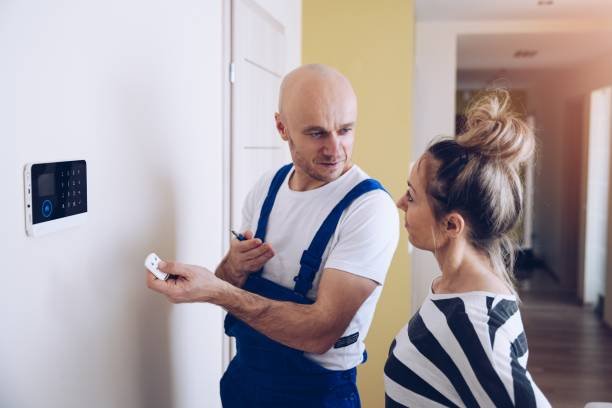
    Cost Planning for Expert Alarm System Installation in Philadelphia, PA

    Budgeting for alarm system installation in Philadelphia PA? Get real numbers on equipment, install, monitoring, and what each piece is worth.

    Home alarm systems used to be something only fancy houses had. A keypad by the front door, sensors on the windows, and a sticker on the lawn that said “Protected by…” Most folks figured a security system was for the rich and the paranoid. Things have changed a lot. Now alarm systems are common, affordable, and most of them work just as well in a row home in Fishtown as they do in a big single-family house out in Chestnut Hill.

    If you live in Philadelphia, you already know the city has its share of property crime. A good alarm system gives your family a real safety net. The question most folks have is not whether they need one. It is what the whole thing actually costs. The team at Safe Protect has handled plenty of alarm installs across Philly and the surrounding areas, and we want to walk through the real numbers so you can plan a budget that makes sense.

    Why Alarm Costs Vary So Much

    People often look at two quotes for the same house and see prices that are hundreds of dollars apart. The gap usually comes down to three things. The equipment quality. The number of components. And whether monitoring is included or extra.

    A 2024 report from the Electronic Security Association found that the average home alarm install in the U.S. costs $1,200 to $2,500, with monthly monitoring adding $30 to $60 on top. The wide range comes from how much coverage you actually need. A small row home with three windows and one door needs way less equipment than a four-bedroom suburban house with French doors and a finished basement.

    Have you ever been quoted one price by phone and then a much higher one once the installer walked the house? That happens because no two homes need the same setup. The walk-through is what tells you the real number.

    The Equipment Side of the Budget

    Let’s break down what actually goes into an alarm system. Here is what most homes in Philadelphia end up with:

    • A main control panel, the brain of the system
    • A keypad or two for arming and disarming
    • Door sensors for every entry point
    • Window sensors for ground-floor windows
    • Motion detectors for hallways and main rooms
    • A loud siren that goes off if the alarm trips
    • A backup battery in case of power outage
    • A cellular or wifi module for remote monitoring
    • Yard signs and window stickers as a deterrent

    Most alarm packages come bundled, so you do not buy each piece separately. But knowing what each part does helps you decide what to skip and what to keep.

    A Look at Common System Packages

    Here is a side by side of what folks usually pick in Philadelphia:

    Package LevelTypical CostWhat You GetBest For
    Basic$400 – $900Panel, 3-4 sensors, keypadApartments, small homes
    Standard$1,000 – $1,800Panel, 6-8 sensors, motion, appMost row homes, average houses
    Premium$2,000 – $3,500Full coverage, glass break, smoke, app, cellularLarger homes
    Smart home combo$2,500 – $5,000Alarm plus cameras plus smart locksTech-forward homeowners

    Most homeowners in Philly land in the standard bracket. That covers a regular home with full perimeter protection and remote phone access.

    Monthly Monitoring Costs

    This is the part folks often forget about when planning a budget. The alarm system itself is a one-time cost. Monitoring is a monthly fee that keeps a service watching your alarm 24/7. When the alarm trips, the monitoring center calls you and then calls the police if you do not respond.

    Monitoring costs run as follows:

    • Basic landline monitoring: $20 to $30 per month
    • Cellular monitoring: $35 to $50 per month
    • Full smart monitoring with cameras: $50 to $70 per month
    • No monitoring, just local siren: $0 per month

    Self-monitoring with no service costs nothing monthly but means you handle the calls yourself when something happens. That works fine if you are always near your phone, but most folks pay for the service because it covers them while they sleep, travel, or are at work.

    A 2023 report from the FBI showed that homes with monitored alarm systems are 300% less likely to be burglarized than homes without one. The deterrent effect alone often justifies the monthly fee.

    The Install Cost

    Equipment is one piece. Labor is another. A real professional install includes:

    • Site walk and planning meeting
    • Mounting and wiring the control panel
    • Setting up each sensor on doors and windows
    • Programming codes and zones
    • Connecting to monitoring service
    • Testing every sensor
    • Training you on how to use the system

    Most professional installs in Philly run $300 to $700 in labor, depending on how big the system is and how complex the wiring runs. Wireless systems install faster, often in a few hours. Hardwired systems take longer because they involve running cable through walls. The team that handles Best alarm installation near me in Philadelphia, PA typically does a free quote so you know the labor cost upfront before signing anything.

    What You Save by Going DIY (And What You Risk)

    A lot of folks consider DIY alarm kits to save money. The boxes promise easy install. The sticker price looks great. So why pay for a pro?

    The honest answer is, DIY works for some folks and fails for others. The savings can be real. A DIY system from a big-box store often runs $200 to $500 total. That sounds great compared to a $1,500 professional install.

    But here is the catch. DIY systems often have setup issues that homeowners do not catch. Sensors mounted in spots that miss real entry points. Motion detectors aimed at heat sources that cause false alarms. Network configurations that leave the system open to hacking. We get calls every month from folks who tried DIY first and need a pro to fix or replace it within the first year.

    A 2024 study from the Insurance Information Institute showed that homes with professionally installed alarm systems average 28% fewer false alarms than DIY ones. Fewer false alarms means fewer fines from the city, since Philadelphia charges $50 to $100 per false alarm after the first three in a year.

    A Story From a Philly Install

    We had a family in South Philly call us last spring after their DIY system failed during an actual break-in attempt. Someone had tried to pry open their back door at 3am. The DIY motion sensor on the back porch had been mounted too low, behind a stack of patio chairs. It never tripped. The intruder was scared off only because a neighbor’s dog started barking.

    We came out, walked the house, and found three more spots where the old system missed coverage. Two windows had no sensors at all. The basement had a motion detector pointed at the furnace, which had been causing false alarms for months. The control panel was hidden in the upstairs hallway closet, away from the entry doors.

    The new install put sensors on every door and window, added two well-placed motion detectors, swapped the old keypad for one near the front door, and connected everything to cellular monitoring. Total cost came to about $1,650 with the first year of monitoring included. They told us afterward they felt better knowing the system would actually work next time something happened.

    Smart Add-Ons That Are Worth the Money

    Some upgrades over the basic alarm system are worth the extra cost. Others are not. Here is what we usually recommend:

    Worth it:

    • Smoke and carbon monoxide sensors tied to the alarm system
    • Glass break detectors for ground-floor rooms with big windows
    • A cellular backup so the alarm works if internet goes down
    • Phone app access so you can arm and disarm remotely
    • Yard signs, since the deterrent effect is real and free

    Not always worth it:

    • Pet-immune motion detectors if you do not have pets
    • Panic buttons in every room
    • Backup keypads in less-used parts of the house
    • Premium siren upgrades

    A 2023 Houzz survey found that 64% of homeowners with alarm systems said the phone app was the feature they used most. So that one is almost always worth adding even on a tight budget.

    Wrapping It Up

    Budgeting for an alarm system in Philly comes down to balancing the upfront equipment cost with the monthly monitoring fee. Plan for $1,000 to $2,000 in install costs for a standard home, plus $30 to $50 per month for monitoring. Skip the cheapest DIY route unless you really know what you are doing with the install. Pick a crew that does a real site walk, explains every line item, and includes training on how to use the system. The peace of mind from a working alarm is worth every dollar. If you want help with Expert alarm system installation in Philadelphia, PA, our team is happy to come walk through your home and give you an honest quote.

    Frequently Asked Questions

    How much does a basic alarm system cost in Philadelphia? Most basic systems for smaller homes or apartments run $400 to $900 for equipment and install. Adding monitoring brings the cost to about $700 to $1,200 in the first year. Standard packages for average row homes or single-family houses usually fall in the $1,000 to $1,800 range, plus monthly monitoring on top.

    Is professional installation really worth it over DIY? For most folks, yes. DIY kits save money upfront but often miss key entry points, suffer from false alarms, or have network setup problems that leave the system vulnerable. A trained installer plans the sensor placement, sets up the network securely, and trains you on how to use everything. The professional touch often pays back in fewer issues over the life of the system.

    Do alarm systems work during power outages? Yes, most modern alarm systems include a backup battery that keeps things running for 24 to 48 hours during a power outage. Cellular-backed systems also keep working even when your internet goes down, since they have their own connection to the monitoring center. Ask about backup options during the install quote.

    Can I install an alarm system in a rental property? Yes, but check your lease first. Wireless alarm systems work great in rentals because they peel off and move with you. Some landlords let you install hardwired systems if you ask and agree to leave them or pay for any holes patched. Plenty of property management companies actually welcome alarm systems since they reduce risk for them too.

    Will my alarm system lower my home insurance? Most homeowners insurance companies in Philadelphia offer 5% to 20% discounts for homes with monitored alarm systems. The exact amount depends on your provider and your policy. The discount alone often covers a chunk of the monthly monitoring cost. Always tell your insurance agent after the install so they can update your policy and apply the discount.

    How much does a basic alarm system cost in Philadelphia?

    Most basic systems for smaller homes or apartments run $400 to $900 for equipment and install. Adding monitoring brings the cost to about $700 to $1,200 in the first year. Standard packages for average row homes or single-family houses usually fall in the $1,000 to $1,800 range, plus monthly monitoring on top.

    Is professional installation really worth it over DIY?

    For most folks, yes. DIY kits save money upfront but often miss key entry points, suffer from false alarms, or have network setup problems that leave the system vulnerable. A trained installer plans the sensor placement, sets up the network securely, and trains you on how to use everything. The professional touch often pays back in fewer issues over the life of the system.

    Do alarm systems work during power outages?

    Yes, most modern alarm systems include a backup battery that keeps things running for 24 to 48 hours during a power outage. Cellular-backed systems also keep working even when your internet goes down, since they have their own connection to the monitoring center. Ask about backup options during the install quote.

    Can I install an alarm system in a rental property?

    Yes, but check your lease first. Wireless alarm systems work great in rentals because they peel off and move with you. Some landlords let you install hardwired systems if you ask and agree to leave them or pay for any holes patched. Plenty of property management companies actually welcome alarm systems since they reduce risk for them too.

    Will my alarm system lower my home insurance?

    Most homeowners insurance companies in Philadelphia offer 5% to 20% discounts for homes with monitored alarm systems. The exact amount depends on your provider and your policy. The discount alone often covers a chunk of the monthly monitoring cost. Always tell your insurance agent after the install so they can update your policy and apply the discount.