
Tag: Alarm Installation

  • Reliable Alarm Installation in King of Prussia, PA
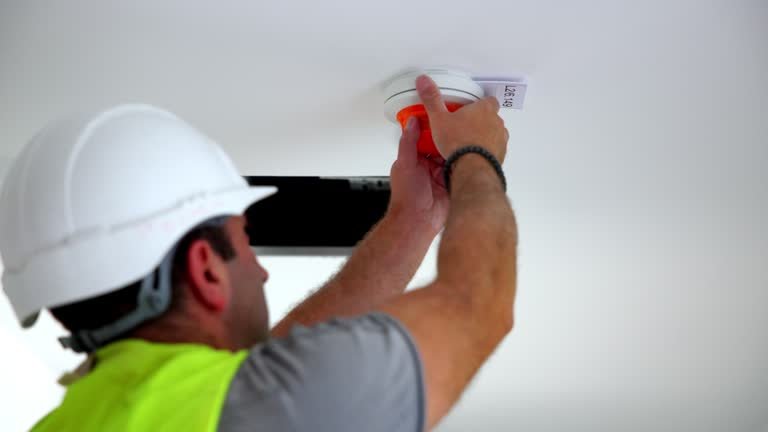
    Reliable Alarm Installation in King of Prussia, PA

    Learn how alarm installation in King of Prussia, PA can improve intrusion detection, entry monitoring, motion sensing, alerts, and property security.

    A professionally installed alarm system can help homeowners and businesses detect unauthorized entry, monitor vulnerable areas, and respond more quickly when unusual activity occurs. Safe Protect Home provides residential and commercial security solutions throughout Pennsylvania, including alarm systems, surveillance cameras, access control, intercoms, monitoring technology, and structured cabling. Modern alarm systems can include control panels, door and window contacts, motion detectors, mobile-connected controls, and other devices selected around the layout of the property. The most effective setup depends on where people normally enter, which areas require additional protection, how the building is used, and whether existing security equipment needs to remain part of the system. Property owners in King of Prussia, Chester, and surrounding communities should begin with a property assessment rather than buying random sensors individually. Proper planning helps create a security system where devices work together, controls remain easy to use, and important entrances or interior areas are not overlooked.

    How a Professional Alarm System Works

    An alarm system combines sensors, controls, and notification equipment to identify specific security events around a property.

    Professional alarm installation services can include alarm control panel installation, door and window sensors, motion detector configuration, system testing, and user setup for residential or commercial properties.

    The control panel acts as a central point for connected security devices. When an armed sensor detects the type of activity it is designed to monitor, the system can trigger an alarm or another configured response.

    The exact operation depends on the equipment selected. Some systems may also connect with mobile applications, cameras, access equipment, or other compatible security devices.

    A security system should be designed so that normal everyday movement does not make the equipment unnecessarily difficult to use. Property layout, occupants, pets, operating hours, and access routines should all be considered before sensors are positioned.

    Choosing the Right Alarm Sensors

    Different sensors monitor different types of activity, which means placement matters as much as the number of devices installed.

    Door and window contacts are commonly placed at entry points. These devices can detect when a protected opening changes position while the security system is armed.

    Motion detectors can monitor movement within selected interior spaces. Placement should consider the size and shape of the room, normal traffic patterns, furniture, and other conditions that can affect detection.

    Alarm systems may also include other compatible security components depending on the property’s needs.

    Installing large numbers of sensors without a clear plan does not automatically create better protection. The system should focus on important access points, vulnerable areas, and realistic movement through the building.

    A professional assessment can help property owners determine where detection equipment provides the most practical coverage.

    Alarm Installation in King of Prussia, PA

    Safe Protect Home’s dedicated Prussia location page supports alarm systems for both residential and commercial properties as part of its broader security services.

    Property owners considering alarm installation in King of Prussia, PA should begin by identifying which parts of the property require monitoring.

    For a home, this may include exterior doors, accessible windows, garages, ground-floor rooms, or other potential entry areas. A homeowner may also want the alarm system to work alongside cameras or compatible smart-security equipment.

    Businesses can have different priorities. Offices, retail stores, warehouses, and medical facilities may need protection around employee entrances, customer areas, storage rooms, equipment spaces, or other restricted locations.

    Operating hours should also influence system planning. An alarm setup used only after a business closes may require different programming from a property where employees work at different times.

    The goal is to create a system that reflects the actual building rather than using the same device layout for every property.

    Alarm System Services in Chester, PA

    The Chester location page also supports alarm systems, including monitored alarms, security panels, motion detection, and other connected security solutions.

    Homeowners and businesses looking for alarm system services in Chester, PA should consider both immediate security concerns and how the system may need to expand later.

    A homeowner may begin with entry sensors and motion detection but eventually add surveillance cameras, a video doorbell, or other compatible devices. Businesses may add more protected areas as operations grow.

    Planning for possible expansion can help avoid selecting a system that becomes too limited when property needs change.

    Existing equipment also deserves evaluation. A property may already have wiring, sensors, or a security panel from an older system. The installer can determine what is compatible, what should be replaced, and whether any existing infrastructure can remain.

    The final setup should be tested so occupants understand how to arm, disarm, and operate the equipment correctly.

    Residential Alarm System Planning

    A home security system should fit daily routines without becoming inconvenient for the people who live there.

    Entry doors are usually important monitoring points because residents, guests, and service providers regularly use them.

    Windows may require additional consideration depending on their accessibility and location around the home.

    Interior motion detection can provide another layer of monitoring when appropriate. The placement should account for the way people normally move through hallways, living rooms, stair areas, and other spaces.

    Homeowners should also discuss pets during the planning process. The size, movement, and areas accessible to pets can affect the type or placement of certain motion-sensing devices.

    The control interface should be easy for household members to understand. Complicated operation can lead to systems being left disarmed or used incorrectly.

    A well-planned residential system should support security while remaining practical enough to use consistently.

    Commercial Alarm Installation Considerations

    Commercial security systems often need to account for more users, larger properties, and different operating schedules.

    A retail business may need to monitor entrances, stockrooms, offices, and areas where valuable products are stored. A warehouse may have loading doors, equipment spaces, multiple employee entrances, and larger interior areas.

    Offices may require protection after working hours while still allowing approved employees to enter at different times.

    Commercial alarm planning should therefore include who uses the property, which areas are public, which are restricted, and when the building is normally occupied.

    Businesses should also consider how alarm equipment works with cameras, access control, and other security systems already installed at the property.

    When systems are compatible, connected security equipment can make property management easier. Compatibility should be verified before equipment is purchased or installed.

    Why Control Panel Placement Matters

    The control panel or user interface is an important part of everyday alarm operation.

    It should be positioned where authorized users can access it conveniently while still fitting the overall security design.

    A keypad near a normal entrance may make it easier to arm or disarm the system when leaving or returning. Additional controls may be considered for other frequently used areas depending on the system.

    Placement also needs to account for wiring, power, connectivity, and the design of the equipment.

    Users should understand basic functions before installation is considered complete. This includes arming, disarming, responding to alerts, and recognizing common system notifications.

    For systems connected with mobile applications, property owners should also understand how remote controls work and what happens if internet or network connectivity changes.

    Alarm Installation During New Construction

    New construction and major renovation projects can provide useful opportunities to plan security equipment before walls and ceilings are finished.

    Wiring routes for alarm devices, cameras, intercoms, access systems, and network equipment can be considered during the building phase.

    This can help reduce visible wiring later and provide organized pathways for current and future security devices.

    Builders, electricians, low-voltage installers, and security contractors may need to coordinate locations so equipment connections are available where needed.

    Planning early also allows property owners to consider future additions even if every device is not installed immediately.

    For example, wiring may be placed for future cameras or security controls while the building is open.

    The security plan should reflect the completed property layout rather than being added only after construction decisions have already limited equipment placement.

    Replacing an Older Alarm System

    An older alarm system does not always require complete replacement simply because newer technology exists.

    The first step should be evaluating whether the existing panel, wiring, sensors, and controls still function correctly and whether they support the features the property owner needs.

    Some systems may be suitable for updates or compatible equipment changes. Others may have limitations that make replacement more practical.

    Property owners should explain what they want to improve. Common goals may include easier controls, mobile access, additional sensors, better integration, or support for newly renovated areas.

    Replacing equipment should address a specific limitation rather than changing the entire system without understanding what is currently installed.

    A professional inspection can help identify which components remain useful and which parts need updating.

    Testing the System After Installation

    Installation is not finished when devices are physically mounted.

    Each component should be tested to confirm that it communicates correctly with the control system and responds as intended.

    Door and window sensors should detect opening and closing. Motion sensors should be checked according to their configured coverage. The control panel should display and manage connected zones properly.

    Users should also receive basic guidance.

    Everyone responsible for operating the alarm should know how to arm and disarm it without creating unnecessary false activations.

    Any mobile application or remote-control features included in the project should also be configured and tested.

    Testing gives property owners an opportunity to ask questions before they need to operate the system during an actual security concern.

    Maintaining an Alarm System

    Alarm equipment should continue to receive attention after installation.

    Property owners should notice warning messages, low-battery indicators, communication problems, damaged sensors, or devices that no longer respond as expected.

    Doors and windows can also shift over time, potentially affecting sensor alignment.

    Businesses should review alarm users when employees leave or responsibilities change. Access codes and permissions should not remain active when they are no longer needed.

    Homeowners may need similar updates after changes involving tenants, service providers, or other authorized users.

    If remodeling changes walls, doors, windows, or room layouts, alarm equipment may also need adjustment.

    Periodic testing and maintenance can help identify these issues before the system is needed during an unexpected event.

    Choosing an Alarm Installation Company

    A professional alarm installer should begin by reviewing the property rather than immediately recommending a fixed equipment package.

    Ask which entrances and areas are considered important and why certain sensors are being recommended.

    Property owners should understand what equipment is included, how the system will operate, and whether future expansion is possible.

    It is also helpful to discuss whether the alarm system will integrate with cameras, access control, intercoms, or other existing security equipment.

    The project scope should identify installation, configuration, testing, and user setup.

    Property owners should also understand which services are separate. For example, the company’s alarm service page states that third-party monitoring subscriptions and major electrical upgrades are not included in standard alarm installation.

    Clear expectations make it easier to compare the security plan with the actual needs of the property.

    Conclusion

    Alarm installation can improve security by monitoring entry points, interior movement, and other selected areas of a residential or commercial property.

    For property owners in King of Prussia and Chester, an effective system should begin with the layout of the building and the way occupants actually use it.

    Control panels, door and window contacts, motion detectors, and compatible security devices should be selected and positioned as parts of one connected system.

    Professional installation should also include configuration and testing so users understand how the equipment operates before relying on it.

    As security needs change, systems may also require new devices, updated permissions, maintenance, or expansion.

    By planning around real entry points, vulnerable areas, occupancy patterns, and future needs, homeowners and businesses can create an alarm system that remains practical to operate while providing stronger day-to-day property monitoring.

    Frequently Asked Questions

    What is included in a professional alarm installation?

    Installation can include an alarm control panel, door and window contacts, motion detectors, system configuration, testing, and user guidance depending on the project.

    Can alarm systems be installed in both homes and businesses?

    Yes. Alarm systems can be planned for homes, offices, retail stores, warehouses, commercial facilities, and other suitable properties.

    Where should alarm sensors be installed?

    Placement depends on the building layout, important entry points, vulnerable areas, occupancy patterns, and the type of sensor being used.

    Can an alarm system work with security cameras?

    Compatible alarm and camera equipment may be used as parts of a broader property security system. Compatibility should be confirmed before installation.

    Can an older alarm system be upgraded?

    In some cases, existing panels, wiring, or sensors may support updates. An inspection can determine which components can remain and which should be replaced.

    Why should an alarm system be tested after installation?

    Testing confirms that sensors, controls, and connected devices respond correctly and gives users an opportunity to learn how to arm, disarm, and operate the system.

  • Reliable Alarm Installation Services in North Wales, PA
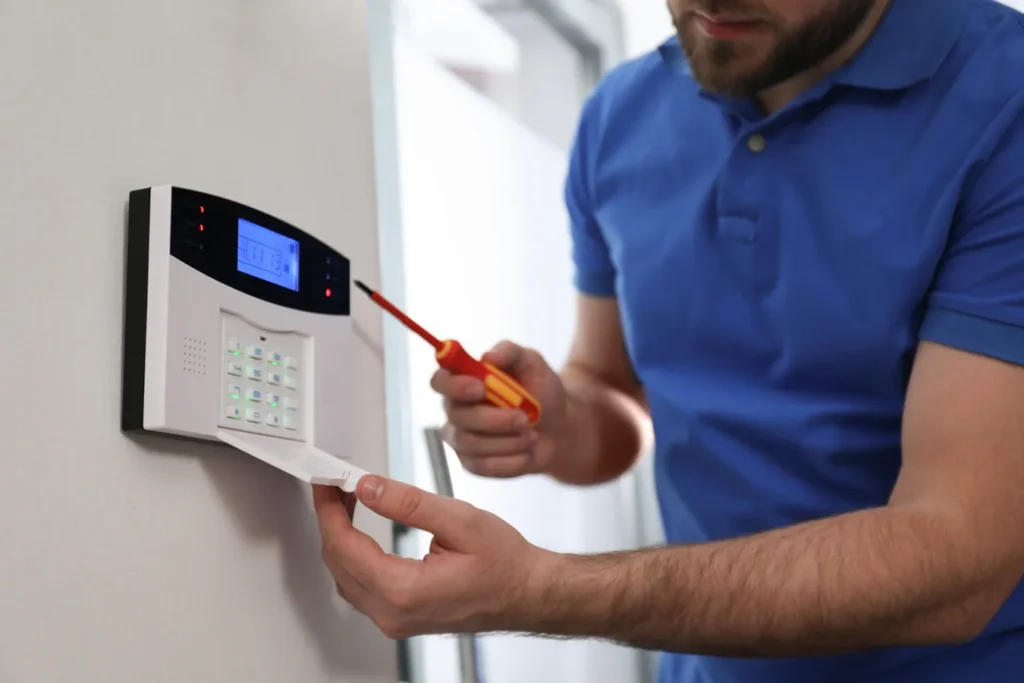
    Reliable Alarm Installation Services in North Wales, PA

    Protect your home or business with reliable alarm installation services in North Wales, PA. Get advanced security solutions designed for better safety.

    Why Alarm Systems Matter for Modern Property Protection

    Security is a major concern for homeowners and businesses that want to protect their people, belongings, and property. Traditional security methods may not provide enough protection against unexpected situations, which is why many property owners choose modern alarm systems for improved safety and awareness.

    A properly installed alarm system helps detect unauthorized access, suspicious activity, and potential security concerns before they become larger problems. Whether installed in a residential property, office, retail space, or commercial building, a reliable security system provides an additional layer of protection.

    Safe Protect Home provides security solutions designed to help property owners improve protection through professionally installed alarm and security systems.

    For homeowners and businesses in North Wales, choosing the right alarm system and ensuring proper installation are important steps toward creating a safer environment. Professional installation helps ensure sensors, controls, and alerts work correctly when they are needed most.

    Common Security Problems Property Owners Face

    Many properties experience security challenges that can be reduced with a properly designed alarm system. Without reliable protection, homes and businesses may remain vulnerable to unauthorized entry, theft, and other risks.

    Common security concerns include:

    • Unprotected entry points
    • Lack of real-time alerts
    • Outdated security equipment
    • Limited property monitoring
    • Weak protection during vacant periods
    • Delayed response to suspicious activity

    A basic lock system may not provide enough awareness when a property owner is away. Modern security solutions allow users to receive alerts and monitor important areas more effectively.

    Installing an alarm system helps property owners take a proactive approach toward safety instead of waiting until a security issue occurs.

    How Professional Alarm Installation Works

    A successful alarm installation requires proper planning, equipment selection, and accurate setup. Every property has different security needs, which means the system should be designed around the layout and protection goals.

    Property Security Assessment

    The first step in alarm installation is evaluating the property. Security professionals review entry points, high-risk areas, building layout, and specific concerns before recommending the right system.

    This assessment helps determine where sensors, control panels, and other components should be placed for better coverage.

    Selecting the Right Alarm System

    Different properties require different security solutions. A residential home may need door and window sensors, while a commercial property may require more advanced monitoring features.

    Common alarm system components include:

    • Motion sensors
    • Door and window sensors
    • Control panels
    • Audible alarms
    • Smart notifications
    • Mobile monitoring features

    Choosing the right equipment helps create a system that matches the property’s security requirements.

    Professional Installation and Testing

    Proper installation is essential for reliable alarm performance. Incorrect placement or setup can reduce system effectiveness.

    Professional alarm installation services help ensure security equipment is installed correctly, tested properly, and ready to provide dependable protection.

    Benefits of Professional Alarm Installation

    Investing in professional alarm installation provides several advantages for property owners.

    Improved Security Awareness

    Modern alarm systems help property owners stay informed about activity around their property. Alerts and monitoring features provide better awareness when unusual events occur.

    Protection Against Unauthorized Access

    Alarm systems can help protect doors, windows, and other access points by detecting unauthorized entry attempts.

    Remote Monitoring Options

    Many modern security systems offer smart features that allow property owners to monitor their property remotely through connected devices.

    Increased Peace of Mind

    Knowing that a property has a reliable security system can provide confidence for homeowners, employees, and business owners.

    Home Alarm Systems in North Wales Properties

    North Wales homeowners need security solutions that protect their families and valuable belongings. Residential properties often have multiple access points that require proper monitoring and protection.

    Professional home alarm systems in North Wales, PA help homeowners improve security with systems designed around their property’s specific needs.

    Whether protecting a single-family home, apartment, or larger residential property, a properly installed alarm system can provide better control and awareness.

    Commercial Alarm Solutions in Norristown Properties

    Businesses in Norristown require dependable security systems to protect employees, equipment, inventory, and daily operations. Commercial properties often have larger layouts and additional security requirements compared to residential buildings.

    Professional commercial alarm solutions in Norristown, PA can help businesses create stronger protection with systems designed for their operational needs.

    A reliable alarm system can support businesses by improving security awareness and helping reduce risks associated with unauthorized access.

    Types of Alarm Systems for Homes and Businesses

    Different properties benefit from different alarm system features. Understanding available options helps property owners choose a solution that matches their goals.

    Intrusion Alarm Systems

    Intrusion alarms help detect unauthorized entry through doors, windows, and other access points. These systems are commonly used for both homes and businesses.

    Smart Alarm Systems

    Smart alarm systems allow users to control and monitor security features through connected devices. These systems can provide alerts, remote access, and improved convenience.

    Commercial Security Alarm Systems

    Commercial alarm systems are designed for businesses that need stronger protection. They may include additional sensors, access monitoring, and advanced security features.

    Choosing the Right Alarm System for Your Property

    Selecting an alarm system requires considering several important factors, including property size, security concerns, and desired features.

    Important considerations include:

    • Number of entry points
    • Indoor and outdoor coverage needs
    • Monitoring preferences
    • Smart technology options
    • Budget requirements
    • Future security upgrades

    A professional security evaluation can help property owners choose a system that provides effective protection without unnecessary equipment.

    Maintaining Your Alarm System

    Regular maintenance helps keep alarm systems working properly. A security system is only effective when all components operate correctly.

    Helpful maintenance steps include:

    • Testing alarm functions regularly
    • Checking sensor performance
    • Replacing batteries when needed
    • Updating system settings
    • Scheduling professional inspections

    Routine care helps identify problems early and keeps the security system ready when needed.

    When Should You Consider Alarm Installation?

    Alarm installation may be beneficial when:

    • Moving into a new property
    • Upgrading outdated security equipment
    • Expanding a business location
    • Increasing family or employee safety
    • Adding smart security features
    • Improving property monitoring

    A professionally installed system provides stronger protection compared to basic security methods.

    Conclusion

    Alarm installation is an important step for homeowners and businesses that want better protection, awareness, and control over their property security. A properly designed system helps monitor important areas and provides valuable alerts when unusual activity occurs.

    North Wales and Norristown property owners can benefit from modern security solutions designed around their specific needs. Professional installation ensures equipment is placed correctly and operates effectively.

    Investing in a reliable alarm system helps create a safer environment while providing long-term confidence and protection.

    Frequently Asked Questions

    What does an alarm installation service include?

    Alarm installation includes security system planning, equipment setup, sensor placement, testing, and configuration to ensure proper operation.

    Why should I choose professional alarm installation?

    Professional installation ensures components are correctly placed, properly configured, and tested for reliable performance.

    Can alarm systems be used for businesses?

    Yes. Commercial properties can use alarm systems to protect employees, equipment, inventory, and facilities.

    Do modern alarm systems offer remote monitoring?

    Many modern systems include smart features that allow users to receive alerts and monitor security activity remotely.

    How often should an alarm system be maintained?

    Regular testing and occasional professional inspections help keep alarm systems working effectively.

    Are alarm systems useful even when I am away from my property?

    Yes. Alarm systems provide additional protection by monitoring activity and sending alerts when security concerns occur.