Trusted intercom installation in Philadelphia, PA improves visitor screening, access control, communication, remote access, and stronger property security.
Managing visitors becomes easier when property owners can communicate with someone at an entrance before deciding whether to grant access. Modern intercom systems can support homes, offices, apartment buildings, gated properties, and other locations where clear communication and controlled entry are important. Safe Protect Home provides security and communication systems throughout Pennsylvania, including intercoms, access control, surveillance cameras, alarms, and structured cabling. Professional intercom installation can include audio or video communication, connection with compatible door locks, mobile access, system configuration, and testing. Property owners in Philadelphia, Norristown, and surrounding communities should consider the number of entrances, building size, visitor traffic, wiring conditions, remote-management needs, and existing security equipment before selecting a system. The best setup should make everyday entry management easier without adding unnecessary complexity for residents, employees, tenants, or property managers.
How Phone Entry and Intercom Systems Work
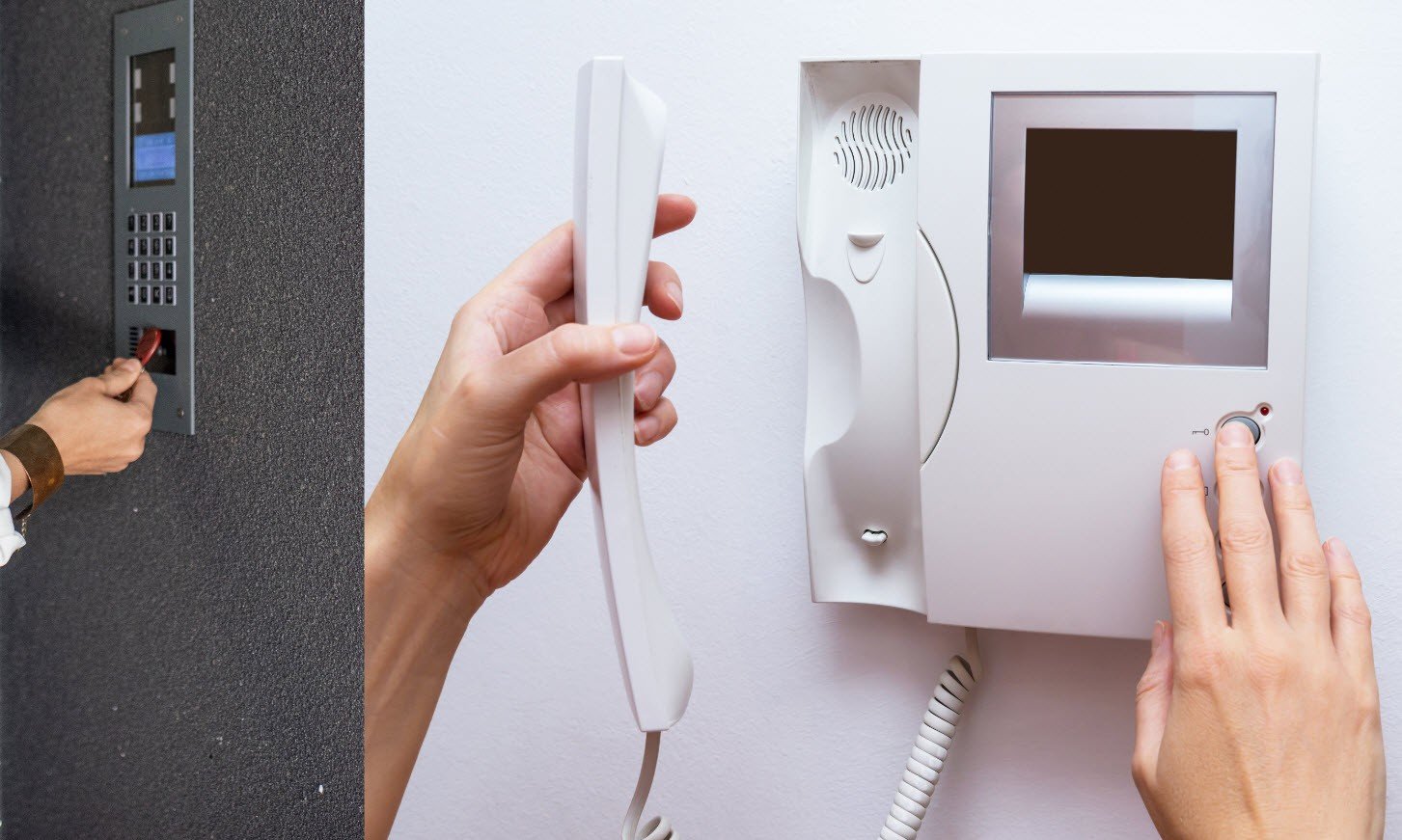
Professional phone entry system and intercom installation allows occupants to communicate with visitors before access is granted.
A basic audio system may allow two-way voice communication between an entrance and an indoor station.
Video intercom equipment can add visual identification, allowing users to see who is at the door before responding.
Some systems also support mobile applications, which can allow authorized users to communicate with visitors or manage compatible entry functions from a smartphone.
The exact setup depends on the property.
A single-family home may need one entrance station and a simple indoor or mobile interface. An office, apartment building, or gated property may require multiple entry points, directories, door-release functions, and access permissions for several users.
The equipment should be selected around actual visitor-management needs rather than adding features that occupants are unlikely to use.
Intercom Installation in Philadelphia, PA
Property owners considering intercom installation in Philadelphia, PA may need a system for a home, office, apartment property, storefront, or other building where visitor access needs closer control.
Safe Protect Home’s Philadelphia page specifically identifies phone entry and intercom systems as part of its security services.
Residential users may want to communicate with visitors without immediately opening the door.
Businesses can use intercoms to manage reception areas, employee entrances, delivery points, or restricted spaces.
Apartment and multi-unit properties may require systems that help visitors contact individual occupants before entry is approved.
The entrance layout should be reviewed before equipment is installed.
Door location, visibility, weather exposure, existing locks, electrical access, network availability, and wiring routes can all affect system placement.
Planning those details first can help create a cleaner installation and more practical everyday operation.
Intercom Systems in Norristown, PA
The dedicated Norristown area page also lists intercom systems among the security technologies available for homes and businesses.
Property owners considering intercom systems in Norristown, PA should think about how many people need to operate the system and how often visitors arrive.
A small office may only need communication between the front entrance and reception.
A larger commercial property may need several stations or connections with access-control equipment.
Multi-unit properties can have additional requirements because visitors may need to contact different tenants or residents.
The system should be easy enough for regular users to understand without requiring complicated steps every time someone arrives.
Remote features may also be useful for property managers or business owners who are not always near the entrance.
The final system should support the actual flow of people through the building rather than using the same configuration for every property.
Audio Versus Video Intercom Systems
Audio and video intercoms provide different levels of visitor identification.
Audio systems focus on voice communication.
They may work well where users mainly need to speak with visitors before unlocking a door or providing instructions.
Video intercoms add a camera so occupants can visually confirm who is at the entrance.
This can be useful at homes, offices, apartment buildings, and commercial facilities where visual verification is valuable.
Some systems may also support recording, mobile viewing, or integration with other security equipment depending on the selected hardware.
Property owners should choose features based on their security goals.
A system with advanced video features may not be necessary for every entrance, while a basic audio-only device may not provide enough information for a high-traffic commercial property.
Connecting Intercoms With Door Access Control
Intercom systems can often work alongside compatible door access equipment.
A visitor may first contact an occupant through the intercom. After communication or visual verification, the authorized user can decide whether to unlock the entrance.
This approach combines communication with controlled entry.
Businesses may use this arrangement at reception doors, offices, storage areas, or other managed entrances.
Apartment properties may use similar systems to allow residents to communicate with guests before granting access.
The connection between the intercom and locking equipment should be planned carefully.
Door hardware, access-control devices, power requirements, wiring, and user permissions can affect how the complete system operates.
Property owners should also decide who is allowed to release each door.
Clear access rules can make the technology easier to manage after installation.
Mobile Access and Remote Communication
Mobile-connected intercom systems can give authorized users more flexibility.
Instead of requiring someone to remain near a fixed indoor station, compatible systems may allow visitor calls to reach a smartphone or other connected device.
This can be useful for business owners, property managers, or homeowners who spend time away from the main entrance.
Remote communication should still be configured with appropriate user permissions.
Not every employee or resident needs control over every entry point.
Property owners should decide who requires access and remove permissions when users no longer need them.
Network reliability should also be considered because app-connected features may depend on internet or local network connectivity.
Traditional indoor stations can still be useful even when mobile controls are available.
The best arrangement depends on the building, users, and how frequently remote management is actually needed.
Intercom Systems for Apartment Buildings
Apartment and multi-unit properties often have more complicated visitor-management requirements than single-family homes.
Visitors may need to contact different residents from one shared entrance.
A directory-based phone entry system can help route calls to the correct occupant.
Residents can then communicate with the visitor before deciding whether access should be granted.
Property managers should consider how easily users can be added or removed when tenants change.
The entrance equipment should also be positioned where visitors can use it without blocking doors or creating confusion.
Outdoor equipment needs to be appropriate for the installation environment.
Building managers should also consider whether the intercom will connect with existing access control, cameras, or other security systems.
Planning those connections before installation can reduce duplicated equipment and make the overall security system easier to operate.
Intercom Systems for Offices and Commercial Properties
Commercial properties can use intercoms to improve communication at controlled entrances.
A business may not want every visitor entering directly into employee or work areas.
An intercom allows staff to communicate with delivery drivers, vendors, clients, or other visitors before providing access.
Larger facilities may have several entrances with different access requirements.
The main customer entrance may use one process, while service doors, loading areas, or employee entrances use another.
The system should reflect those differences.
Commercial users should also consider operating hours.
After-hours visitors may need a different communication process from people arriving during normal business hours.
If the system connects with cameras or door access equipment, users should understand how each component works together.
Clear planning can help prevent staff from relying on multiple unrelated devices for the same entrance.
Wiring and Network Planning
Intercom performance depends on the infrastructure supporting the equipment.
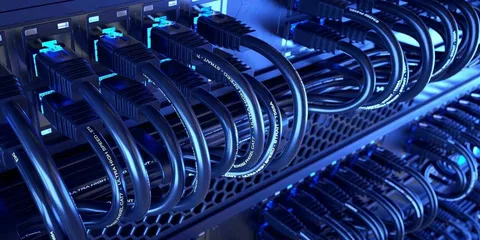
Some systems require low-voltage wiring between entrance stations, indoor devices, control equipment, and door hardware.
Network-connected systems may also depend on data cabling, switches, internet access, or other networking components.
Existing buildings can create additional installation challenges because walls and ceilings are already finished.
A contractor should evaluate practical cable routes before equipment locations are finalized.
New construction offers more flexibility because wiring can be installed before walls close.
That can make it easier to prepare entrances for future intercoms, cameras, alarms, and access-control devices.
Cable organization also matters.
Clearly planned wiring can make future troubleshooting, equipment replacement, and system expansion easier.
Planning Intercoms During New Construction
New buildings and major renovations provide a useful opportunity to plan security communication systems early.
Entrance locations are already being designed, which makes it easier to determine where intercom stations, door hardware, cameras, and network connections should be placed.
Pre-wiring before walls close can also reduce the need for visible surface-mounted cable later.
Builders should coordinate intercom requirements with other low-voltage systems.
Security cameras, alarms, access control, data networks, and communication equipment may share similar pathways even though each system has separate functions.
Future needs should be considered as well.
A property owner may not install every planned device immediately, but preparing suitable wiring paths during construction can make later expansion easier.
The security plan should reflect the completed building layout rather than being added after important construction decisions have already been made.
Testing an Intercom After Installation
A new intercom should be tested before regular use begins.
Audio should be clear enough for visitors and occupants to communicate without unnecessary difficulty.
Video equipment should provide a useful view of the entrance when included.
Door-release functions should be checked to make sure authorized users can control compatible locks correctly.
Mobile applications should also be configured and tested when remote features are part of the installation.
For buildings with several users, basic instructions can help everyone understand how to answer calls, grant access, and recognize common system notifications.
Testing should include each entrance covered by the project rather than confirming only that the main control device powers on.
A system that works correctly during setup is easier for occupants to trust during everyday use.
Maintaining an Intercom System
Intercom systems should receive routine attention after installation.
Property owners should watch for unclear audio, camera problems, damaged entrance stations, failed buttons, unreliable door-release functions, or mobile connectivity issues.
Outdoor devices can also become dirty or physically damaged over time.
User permissions should be reviewed periodically, especially in apartment and commercial properties where occupants or employees change.
Software or firmware updates may also be relevant for connected systems depending on the manufacturer.
If the intercom is integrated with door access control, both systems should be checked when entry functions become unreliable.
A communication problem may come from the intercom, while an unlocking problem may involve separate door hardware or access equipment.
Identifying which component is actually failing helps avoid unnecessary replacement.
Choosing an Intercom Installation Company
A professional installer should begin by evaluating the property and understanding how visitors currently enter.
Property owners should explain the number of entrances, expected users, visitor volume, and whether remote management is needed.
Ask whether audio, video, mobile access, door release, or integration with other security systems is recommended and why.
The proposal should identify the main equipment, wiring, installation, configuration, and testing included in the project.
For apartment or commercial properties, discuss how users will be added, removed, or assigned permissions.
Safe Protect Home also provides related access-control, CCTV, alarm, and structured cabling services, which can be relevant when an intercom is being installed as part of a larger security upgrade.
A clear scope helps ensure the finished system solves the property’s actual communication and entry-management needs.
Conclusion
Professional intercom installation can make it easier for homeowners, businesses, apartment managers, and other property owners to communicate with visitors before granting access.
For properties in Philadelphia and Norristown, the system should be selected around building layout, entrance locations, visitor traffic, user needs, wiring conditions, and existing security equipment.
Audio intercoms can provide direct communication, while video systems add visual visitor identification.
Mobile-connected equipment can provide additional flexibility when authorized users need remote access.
Intercoms may also work with compatible door access systems to combine visitor communication with controlled entry.
Safe Protect Home supports these systems for both residential and commercial environments.
By planning equipment, wiring, permissions, entry points, and testing before installation is complete, property owners can create an intercom system that remains practical for everyday use while supporting stronger visitor management.
Frequently Asked Questions
What is a phone entry or intercom system?
An intercom allows occupants to communicate with visitors at an entrance before deciding whether to provide access to the property.
Can an intercom include video?
Yes. Video intercom systems can allow users to see and speak with visitors before opening a compatible controlled entrance.
Can an intercom connect with a smartphone?
Some systems support mobile applications that allow authorized users to communicate with visitors and manage compatible entry functions remotely.
Can intercom systems work with door access control?
Yes. Compatible systems can connect visitor communication with controlled doors so authorized users can verify a visitor before granting entry.
Are intercom systems suitable for apartment buildings?
Yes. Multi-unit properties can use phone entry or intercom systems to help visitors contact residents and request access through a shared entrance.
Should intercom wiring be installed during new construction?
When possible, planning low-voltage wiring before walls close can simplify installation and make it easier to prepare for intercoms and other security equipment.