Need CCTV installation in Philadelphia, PA? Learn camera placement, recording, night vision, remote access, and smart security planning for your property.
Why Professional CCTV Planning Matters
A security camera system can improve visibility around a home, office, retail property, apartment building, or commercial facility, but simply mounting cameras does not automatically create effective surveillance. Camera locations, viewing angles, lighting, recording capacity, network performance, weather exposure, and remote access all influence how useful the system becomes.
Safe Protect Home provides security solutions for residential and commercial properties, including CCTV systems, surveillance cameras, access control, alarm installations, intercom systems, structured cabling, and related technology. A carefully planned system can help property owners monitor important areas while making everyday security management easier.
The strongest surveillance plans begin with the property itself. Instead of choosing a camera count first, identify the entrances, parking areas, side passages, interior zones, and other locations that matter most. This helps create useful coverage without spending money on unnecessary equipment or leaving important areas outside the camera view.
Start With the Areas You Need to Monitor
Before selecting camera models, decide which areas deserve attention. For a home, this may include front and rear doors, driveways, garages, gates, patios, walkways, and ground-level windows. Commercial properties may also need coverage around loading areas, customer entrances, employee doors, parking lots, storage spaces, reception areas, and restricted zones.
Every camera should have a clear purpose. Ask whether the camera needs to identify a person, observe general movement, monitor a doorway, watch a vehicle area, or provide a wider overview. These goals affect camera position, lens choice, viewing angle, and distance from the area being monitored.
Why Camera Placement Makes Such a Difference
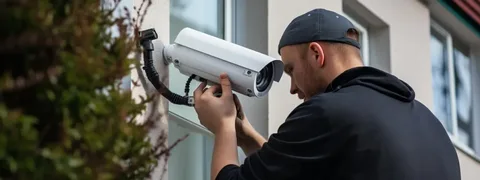
Effective placement is one of the most important parts of professional CCTV installation services.
A camera must cover the intended area without being blocked by walls, landscaping, signs, shelving, vehicles, or architectural features. Mounting height also matters. Equipment placed too low may be easier to reach or damage, while cameras mounted too high can lose important facial or activity detail.
Outdoor cameras should be positioned with changing daylight, nighttime conditions, weather exposure, and seasonal landscaping in mind. Indoor cameras require similar attention to room layout, lighting, entrances, furniture, and the way people normally move through the space.
Prioritize Entrances, Exits, and Access Points
Doors, gates, and vehicle entrances deserve early attention because they are common paths into and out of a property. A front entrance camera can help monitor visitors, deliveries, and general activity, while rear or side entrances may require additional coverage because they are less visible from public areas.
For businesses, entrance cameras can support monitoring around reception areas, employee access, delivery locations, and customer entrances. The viewing angle should show people approaching the access point rather than only recording the top of someone’s head as they pass beneath the camera.
Gate cameras also need to account for vehicle direction and the distance between the camera and the expected subject. A wide overview can be useful, but a second angle may be necessary when identification-level detail matters.
Reduce Blind Spots Before Installation
Blind spots occur when important areas fall outside useful camera coverage. They can be created by building corners, fences, landscaping, parked vehicles, columns, storage racks, signs, or poor viewing angles.
Walk through the property before installation and imagine how someone would approach important areas. This simple exercise can reveal side passages, rear doors, or parking sections that are easy to overlook on a basic floor plan.
In some locations, overlapping coverage can be helpful. If one camera is partially obstructed, another view may still capture useful activity. However, overlap should be intentional rather than wasteful. Each camera should contribute something distinct to the overall system.
Night Vision Requires More Than a Camera Label
Security concerns continue after dark, so nighttime performance should be considered during planning. Night vision allows compatible cameras to capture images in low-light conditions, but placement still affects quality.
Reflective walls, windows, soffits, nearby objects, and glossy surfaces can create glare from infrared illumination. Exterior lighting can also influence exposure, especially when one part of the scene is very bright and another is dark.
After installation, cameras should be checked under actual nighttime conditions. A view that looks excellent during daylight may perform differently after sunset. Testing helps identify glare, dark zones, or positioning problems before the system is considered complete.
Motion Detection Can Improve Monitoring
Motion detection can help users focus on activity rather than watching hours of continuous video. Properly configured systems may generate alerts when movement occurs in selected areas.
Sensitivity matters. Settings that are too high can create unnecessary alerts from passing vehicles, moving branches, pets, shadows, rain, or other routine activity. Settings that are too low may miss events that should trigger attention.
Different cameras may require different configurations. A front-door camera may need one sensitivity level, while a camera overlooking a busy road needs another. Reviewing alerts after installation allows the system to be adjusted based on real-world conditions.
Remote Access Adds Everyday Convenience
Many modern surveillance systems allow authorized users to view compatible cameras from smartphones, tablets, or computers. Remote access can be useful for checking deliveries, reviewing activity after hours, monitoring a property while traveling, or managing several business locations.
Homeowners considering security solutions in Philadelphia, PA may benefit from combining surveillance with compatible alarms, access control, intercoms, or mobile notifications when a more connected security setup is appropriate.
Remote access should be configured securely. Strong passwords, current software, controlled user permissions, and reliable network settings all contribute to dependable operation. Property owners should also remove access for former employees, tenants, or users who no longer need permission.
Wired and Wireless CCTV Systems
Wired and wireless systems can both work well when matched to the property.
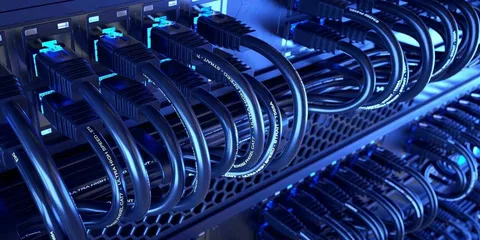
Wired camera systems may offer stable connections and are often practical for permanent installations, larger facilities, new construction, or buildings where cable routes can be planned neatly. Structured cabling can also support future expansion when the system is designed with growth in mind.
Wireless cameras may provide more placement flexibility, but they still depend on reliable network coverage and suitable power arrangements. Thick walls, distance, interference, and network congestion can reduce performance.
The right choice depends on building construction, camera quantity, available cabling paths, network quality, expansion plans, and the type of monitoring required.
Plan Recording and Storage Early
A surveillance system is not only about live viewing. Recorded footage may be important when reviewing an incident later.
Storage requirements depend on the number of cameras, video resolution, frame rate, recording schedule, motion settings, and desired retention period. Higher resolution and continuous recording generally require more storage capacity.
Property owners should understand how footage is stored, how long recordings remain available, and what happens when capacity is reached. Many systems overwrite older footage automatically, so retention settings should be reviewed before an important recording is needed.
Integrating CCTV With Other Security Systems
CCTV can become more useful when it works alongside other security tools. Depending on the system, cameras may be combined with intrusion alarms, door sensors, access control, intercoms, video doorbells, entry management, or mobile notifications.
Integration can help users respond to events more efficiently. For example, an alarm alert may prompt the property owner to review nearby camera footage. Access-control activity can also be supported by cameras covering controlled entrances.
The right level of integration depends on the property, budget, and daily security needs. A small home may need only basic camera and mobile access, while a business may benefit from a more connected system.
Commercial CCTV Planning Requires Extra Coordination
Commercial surveillance often involves larger areas, more users, multiple entrances, and operational concerns that differ from a single-family home.
Businesses may need coverage around customer areas, employee entrances, parking spaces, inventory rooms, loading zones, exterior perimeters, and restricted locations. Camera placement should support security goals without creating unnecessary monitoring of private or irrelevant areas.
Larger facilities may also require structured cabling, network equipment, centralized recording, and expandable infrastructure. Planning for future cameras can reduce the need for major changes when a business grows or reconfigures its space.
Privacy Should Be Considered Before Cameras Go Up
Security cameras should focus on legitimate property-security needs. Avoid placing cameras in locations where people reasonably expect privacy.
Commercial property owners may also need to consider workplace, recording, notice, or local requirements. Because laws and rules can vary, property owners should verify what applies to their specific property and intended use.
Good surveillance planning balances security coverage with responsible camera placement. Monitoring entrances, parking areas, shared spaces, and property perimeters is different from recording private spaces that are unrelated to security objectives.
Professional Testing Completes the Installation
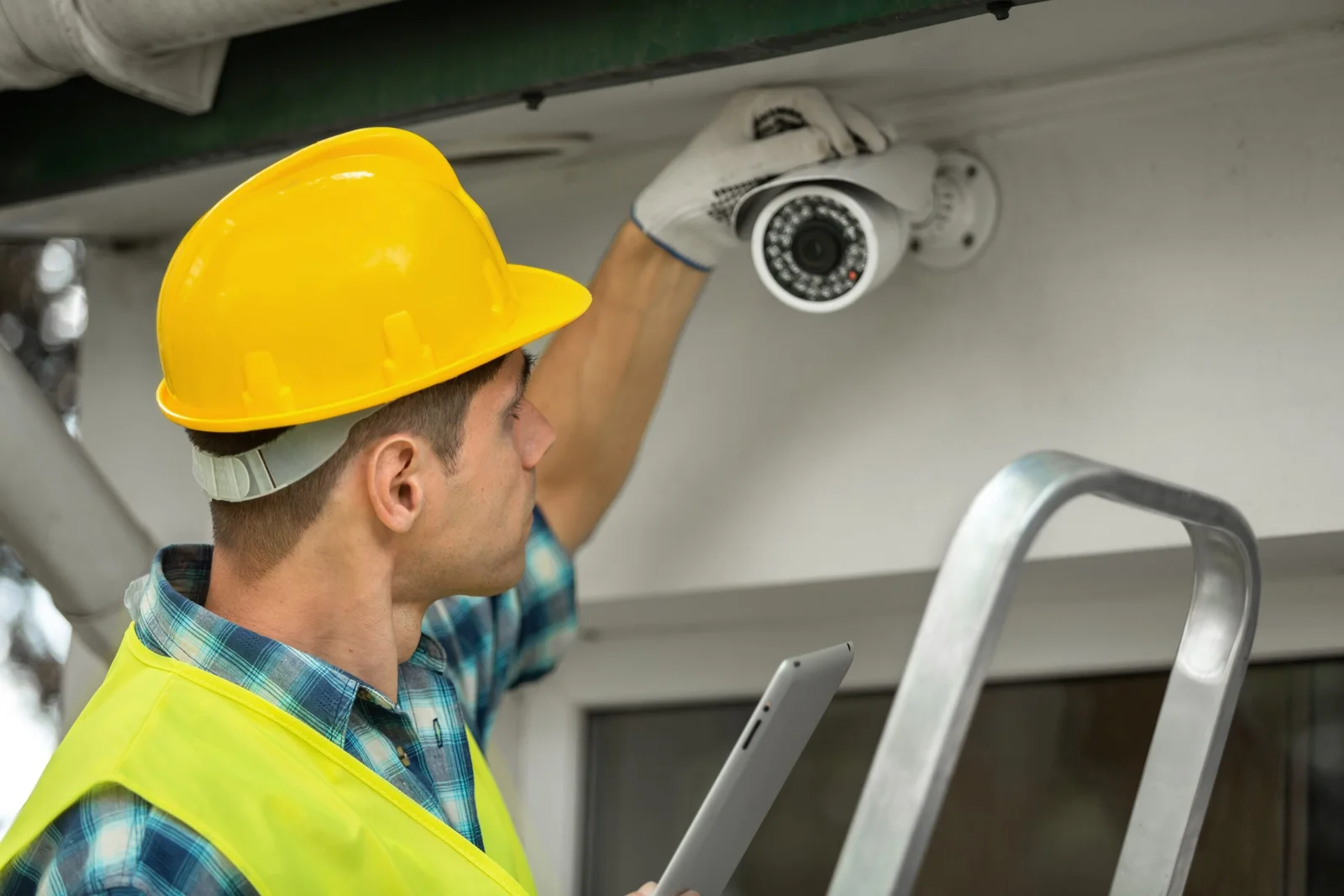
Installation is not finished when cameras are mounted. Each device should be tested for image clarity, viewing angle, daytime performance, nighttime performance, motion detection, recording, remote access, alerts, and connectivity.
Testing can reveal problems that are not obvious during mounting. A camera may technically be recording while framing the wrong area. Night vision may show unexpected glare. An alert may work for one user but not another.
Professional testing helps correct these issues before the system is relied upon for everyday security.
When Should You Upgrade an Existing CCTV System?
Older surveillance systems may still function while no longer meeting current needs. An upgrade may be worth considering when footage quality is consistently poor, cameras leave important blind spots, remote access is unreliable, storage is insufficient, or equipment frequently disconnects.
Property owners using CCTV and security services in Chester, PA can also evaluate cameras alongside alarms, access control, structured cabling, and other security components when an older setup no longer provides practical coverage.
An upgrade does not always require replacing everything. A professional review can identify which cameras, cabling, recorders, or network components remain useful and where targeted improvements would provide the most value.
Conclusion
A dependable CCTV system begins with thoughtful planning rather than camera quantity. Placement, viewing angles, night vision, recording capacity, storage, connectivity, remote access, motion alerts, and integration all affect whether the system provides useful information when it matters.
Start by identifying the entrances, parking areas, side approaches, interior spaces, and other locations that genuinely need monitoring. Then select cameras and recording methods that match those goals.
Professional installation can reduce blind spots, organize cabling, configure alerts, test nighttime performance, and confirm that remote viewing works properly. Regular maintenance and occasional coverage reviews can then help keep the system effective as landscaping, building layouts, access patterns, or security priorities change.
Frequently Asked Questions
How many CCTV cameras does my property need?
The number depends on the property’s layout, entrances, blind spots, monitoring goals, and viewing angles. A small property may need only a few carefully positioned cameras, while a larger commercial site may require broader coverage.
Where should outdoor security cameras be installed?
Common locations include entrances, driveways, garages, gates, parking areas, side access points, and other vulnerable locations. Placement should provide a useful view without making the camera unnecessarily easy to reach.
Are wired CCTV cameras better than wireless cameras?
Neither option is automatically better. Wired systems can provide stable connections, while wireless cameras may offer more placement flexibility. Building construction, network reliability, cabling access, and future expansion should guide the choice.
Why is night vision important for CCTV?
Night vision helps compatible cameras capture useful images when lighting is limited. Proper placement still matters because reflective surfaces, nearby objects, and exterior lighting can affect nighttime image quality.
Can I view my CCTV cameras from my phone?
Many modern surveillance systems support compatible mobile apps or remote-access platforms. Secure configuration, reliable connectivity, supported equipment, and controlled login access are important for dependable remote viewing.
When should an existing CCTV system be upgraded?
Consider an upgrade when image quality is poor, important blind spots remain, remote access becomes unreliable, recording capacity is insufficient, cameras frequently fail, or the property’s security needs have changed.