Professional CCTV installation services in Philadelphia, PA for homes and businesses, with expert placement, remote access, and reliable support help.
Security cameras can give property owners better visibility around entrances, driveways, offices, commercial spaces, and other important areas. A properly planned surveillance system involves more than mounting cameras on walls. Camera placement, viewing angles, lighting, connectivity, recording, and remote access all influence how useful the system will be. Safe Protect Home provides CCTV installation services for residential and commercial properties, with systems planned around the property’s security requirements and layout. The company offers indoor and outdoor CCTV installation, system configuration, mobile app setup, testing, and calibration.
For property owners considering CCTV installation, the planning process should begin by identifying which areas need monitoring. Front doors, rear entrances, parking areas, driveways, offices, storage spaces, and other access points may require different coverage. A good system should provide useful views without unnecessary overlap. Professional installation can also help ensure cameras are positioned correctly and the system is configured for reliable recording and convenient access.
What CCTV Installation Services Can Include
Professional CCTV installation can involve several stages, from evaluating the property and selecting camera positions to configuring and testing the completed surveillance system.
Camera Placement and Coverage
Camera placement is one of the most important parts of a surveillance project. A camera mounted at an unsuitable height or angle may leave important areas outside the field of view.
Before installation, the property should be evaluated to identify entrances, outdoor spaces, interior areas, and locations where activity needs to be monitored.
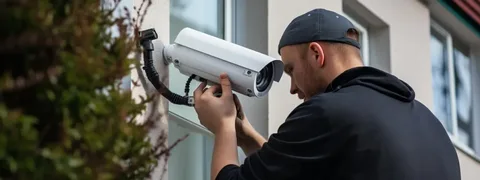
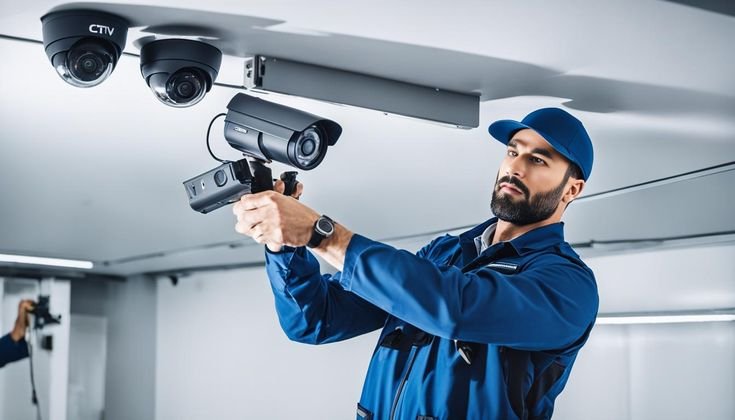
Safe Protect Home’s CCTV installation service includes professional indoor and outdoor camera installation, system configuration, mobile app setup, testing, and calibration.
The objective is to create useful coverage based on the property’s actual layout rather than simply installing the same number and type of cameras at every location.
System Configuration
A surveillance system also requires appropriate configuration after the cameras are mounted.
Recording settings, user access, mobile viewing, connectivity, and other system functions should be checked before the installation is considered complete.
Testing can identify problems with image quality, camera positioning, or system communication while adjustments are still straightforward.
CCTV Installation in Philadelphia, PA
Property owners seeking CCTV installation services in Philadelphia, PA can plan surveillance around entrances, outdoor areas, interior spaces, and other locations that require greater visibility.
Residential Surveillance
Homes may benefit from cameras around front doors, garages, driveways, side entrances, and backyards.
Front-entry cameras can provide visibility around visitors and deliveries, while driveway and garage cameras can monitor vehicle areas and other exterior activity.
The exact locations depend on the home’s design and the areas the homeowner wants to monitor.
Commercial Surveillance
Businesses often have broader monitoring requirements because employees, customers, deliveries, equipment, and inventory may move through the same property.
Offices, retail spaces, warehouses, and other commercial buildings can require different camera arrangements.
Safe Protect Home states that its CCTV installation services are designed for homes and businesses throughout Philadelphia, with professional installation and ongoing system support.
The number and type of cameras should reflect the property’s size, layout, operating patterns, and desired coverage.
Choosing Indoor and Outdoor Security Cameras
Different areas of a property create different surveillance requirements.
Indoor CCTV Cameras
Indoor cameras can monitor entrances, hallways, offices, reception areas, storage spaces, and other interior locations.
The camera should have a clear view without being blocked by furniture, shelving, doors, or other objects.
Businesses may also need to consider how people move through the building during normal operating hours.
Outdoor CCTV Cameras
Outdoor cameras need to account for changing light, weather exposure, distance, and possible obstructions.
Driveways, parking areas, entrances, side passages, and rear property areas may all require different camera positions.
Mounting location should provide a useful viewing angle while keeping the equipment appropriately positioned for the property.
Safe Protect Home specifically includes indoor and outdoor camera installation as part of its CCTV service.
Remote CCTV Monitoring and Mobile Access
Modern CCTV systems can provide access to live and recorded footage beyond the property itself.
Viewing Cameras Remotely
Remote access can allow property owners to check compatible cameras through smartphones, tablets, or computers.
This can be useful for homeowners who are away from their properties or business owners who need visibility outside normal operating hours.
Safe Protect Home also offers remote CCTV monitoring as part of its broader security services, allowing customers to remain connected to their surveillance systems from different locations.
Motion Detection and Alerts
Motion detection can help identify movement within selected areas.
However, settings should be configured according to the environment. Outdoor cameras may detect people, vehicles, animals, or other movement, so poorly adjusted settings can create unnecessary notifications.
A properly configured system can make alerts more useful and easier to manage.
Planning CCTV Coverage for Different Property Areas
A surveillance system should reflect how the property is actually used.
Entrances and Access Points
Main entrances are commonly considered when planning CCTV coverage because they are frequently used by residents, employees, customers, and visitors.
Secondary entrances should also be evaluated because side and rear access points may otherwise become less visible.
Commercial properties may have additional entrances for employees, deliveries, loading areas, or restricted access.
Driveways and Parking Areas
Vehicle areas can benefit from surveillance when property owners want better visibility around cars, visitors, deliveries, or movement through the property.
Camera placement should account for distance, lighting, traffic direction, and potential obstructions.
Simply pointing a camera toward a parking area does not guarantee useful footage. The viewing angle and distance should be considered during installation.
CCTV Installation for New Construction and Upgrades
Security planning can begin before a building is completed.
Pre-Wiring for Security Systems
New construction can provide an opportunity to plan wiring routes before walls and ceilings are finished.
Safe Protect Home provides pre-wiring and new-construction services for low-voltage systems, including security cameras, intercoms, alarms, and smart automation.
Planning the infrastructure early can make future camera installation and system expansion easier.
Upgrading Existing Surveillance
Existing CCTV systems may also require upgrades when cameras become outdated, coverage changes, or property owners want newer monitoring features.
A complete replacement is not always necessary. The condition and compatibility of the existing equipment should be assessed before deciding which components need to be changed.
Additional cameras, improved recording equipment, connectivity changes, or updated software may address specific limitations.
Signs That a CCTV System Needs Attention
A surveillance system can continue operating while its performance gradually declines.
Common Problems
Property owners may notice:
- Blurry or unclear footage
- Cameras that stop recording
- Poor nighttime visibility
- Frequent connection problems
- Missing areas in the camera view
- Delayed notifications
- Recording or storage problems
- Cameras becoming unavailable remotely
These problems can have different causes.
A camera may have a hardware issue, while another problem could involve wiring, connectivity, recording settings, or system configuration.
Reviewing Camera Coverage
Property changes can also affect surveillance.
New landscaping, construction, remodeling, shelving, signs, or changes to parking areas can create new blind spots.
Camera views should therefore be reviewed when significant property changes occur.
Safe Protect Home describes ongoing support that includes maintenance, system testing, software updates, and technical assistance.
Choosing a CCTV Installation Contractor
Selecting a CCTV installer should involve more than comparing camera specifications.
Assessing the Property First
A professional installer should understand the property before recommending equipment.
Building layout, lighting, entrances, network conditions, desired coverage, and monitoring requirements can all influence the system design.
Property owners should explain whether they need indoor cameras, outdoor surveillance, remote viewing, recording, motion detection, or future expansion.
Installation and Ongoing Support
The installation process should include appropriate mounting, configuration, testing, and user setup.
Safe Protect Home describes a process that includes consultation, professional installation, and ongoing support. The company also states that it has more than 23 years of experience and provides security solutions for residential and commercial properties.
For another service area, the company provides security surveillance camera services in Norristown, PA with indoor and outdoor camera installation, camera positioning, system testing, configuration, and ongoing maintenance.
Clear communication about the equipment, installation process, system access, and future support can help property owners understand the completed surveillance setup.
Conclusion
CCTV installation can provide homeowners and businesses with greater visibility around important areas of their properties. A useful surveillance system depends on more than camera quality. Placement, lighting, viewing angles, connectivity, recording settings, remote access, and maintenance all influence system performance.
For property owners in Philadelphia, professional planning can help create surveillance coverage around entrances, driveways, parking areas, interior spaces, and other locations that require monitoring.
Indoor and outdoor cameras can serve different purposes, while remote access and motion detection can make a modern surveillance system easier to manage.
New construction projects can also benefit from planned security infrastructure and pre-wiring before walls and ceilings are completed.
With appropriate planning, professional installation, system testing, and ongoing support, a CCTV system can become a practical part of a property’s overall security setup.
Frequently Asked Questions
What does CCTV installation include?
CCTV installation can include camera placement, mounting, wiring or connectivity, system configuration, recording setup, mobile access, testing, and calibration. The exact work depends on the property’s requirements.
How many security cameras does a property need?
There is no fixed number for every property. The required number depends on the property’s size, layout, entrances, blind spots, and areas that need monitoring.
Can CCTV cameras be viewed from a smartphone?
Yes. Compatible systems can provide remote viewing through mobile applications or web-based platforms. Safe Protect Home offers remote CCTV monitoring as part of its security services.
Should I install indoor and outdoor CCTV cameras?
It depends on the property’s security requirements. Indoor cameras can monitor interior spaces, while outdoor cameras can provide visibility around entrances, driveways, parking areas, and other exterior locations.
Can CCTV be added to a new construction project?
Yes. Pre-wiring during construction can prepare a property for cameras, alarms, intercoms, and other low-voltage security technologies.
How often should a CCTV system be checked?
Regular system checks can help identify camera, recording, connectivity, and software problems before they become more disruptive. Maintenance needs depend on the equipment and property environment.