
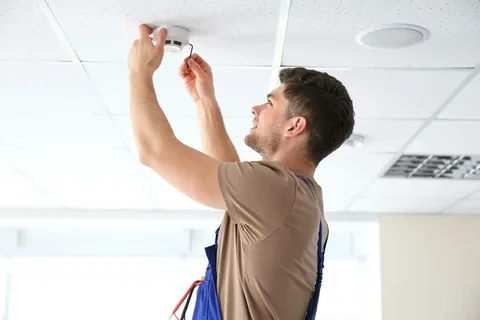
Protecting a home or business requires more than placing an alarm panel near the entrance. A dependable system must detect activity at the right locations, communicate alerts correctly, and remain simple enough for occupants to use every day. Professional Alarm Installation Services help property owners plan sensor placement, control panels, entry-point protection, system configuration, and final testing around the actual layout of the building. When these parts work together, an alarm system can provide better awareness without creating unnecessary complexity.
Safe Protect Home installs security solutions for residential and commercial properties, including alarm systems, CCTV cameras, access controls, and related security technology. A new project may involve home alarm system installation for a house or apartment, while offices, stores, and other business properties may need commercial alarm installation based on larger access patterns.
Good planning also considers motion sensor installation, door and window sensor installation, and the broader security alarm system installation instead of treating every device as an isolated component. The final system should match how people enter, leave, and use the property throughout the day.
Why Alarm System Planning Comes Before Installation
Alarm equipment performs best when installers first understand the property. A small home, multi-level residence, retail store, office, and warehouse all have different entry points and traffic patterns. Therefore, the number of devices alone does not determine whether a system provides useful coverage. Placement, configuration, control options, and the way occupants use the building matter just as much as the equipment itself.
Evaluating Entry Points and Interior Movement
A professional installer should start by identifying doors, accessible windows, high-traffic interior areas, and other locations that may require detection. For residential properties, home alarm system installation may concentrate on exterior doors, selected windows, and interior movement zones. Commercial properties often require a broader approach because employees, customers, delivery workers, and service providers may use different entrances.
Proper motion sensor installation also requires thoughtful placement. Sensors should monitor useful areas without creating unnecessary alerts from normal activity. Likewise, door and window sensor installation should focus on access points that fit the property’s security plan.
The goal is not to cover every wall with devices. A well-planned alarm system uses the right components in the right locations and connects them through a clear operating strategy that occupants can understand.
What Professional Alarm Installation Includes
A complete alarm project should move through several connected stages, beginning with property assessment and ending with testing and user guidance. Simply mounting equipment does not confirm that a system will respond correctly. Each sensor, control device, and alarm function should be configured and tested before the installation is considered complete.
Core Steps in a Proper Alarm Setup
Reliable Alarm Installation Services can include alarm control panel installation, door and window sensors, motion detectors, system configuration, testing, and user guidance. Safe Protect Home’s service page lists these components as part of its alarm installation process for residential and commercial properties.
A professional installation should normally include:
- Reviewing the property’s security requirements
- Selecting suitable sensor locations
- Installing and configuring the alarm control panel
- Connecting door, window, and motion detection devices
- Testing system responses before completion
A complete security alarm system installation should also be easy for authorized users to operate. Therefore, homeowners and business managers should understand arming, disarming, basic alerts, and routine system controls before regular use begins.
Safe Protect Home also describes troubleshooting, inspections, software updates, and ongoing support as part of its alarm-system maintenance approach. Proper setup at the beginning creates a stronger foundation for dependable operation later.
Alarm Systems for Residential Properties
Residential security needs vary according to property type, household routine, entrances, and how frequently occupants are away. A townhouse may require a different setup than a detached home or multi-unit property. Therefore, homeowners should choose equipment based on actual access points and security concerns rather than purchasing a standard package without evaluating the building.
Building Protection Around Everyday Home Use
Homeowners considering expert Alarm Installation Services should think about the doors family members use most often, accessible windows, garages, lower-level entrances, and interior spaces that connect key areas of the home. This helps installers create protection without making daily access inconvenient.
For property owners considering home alarm system installation in Philadelphia, PA, the company’s Philadelphia service-area page describes residential security systems that can include alarm equipment, motion sensors, surveillance cameras, access controls, and mobile-connected security devices.
Professional door and window sensor installation can help monitor selected entry points, while properly planned interior sensors can add another level of detection. Homeowners should also understand how alarm controls interact with other security equipment if several technologies are being installed together.
A good residential system should support normal household routines. Residents need practical controls and clear instructions so they can use the system consistently instead of avoiding features that feel confusing or inconvenient.
Using Motion and Entry Sensors Effectively
Sensors form an important part of many alarm systems because they detect activity before the control panel can respond. However, their usefulness depends on placement and configuration. A poorly positioned device may miss the area it was intended to monitor or create unnecessary notifications from everyday movement.
Matching Sensors to the Areas They Protect
Professional motion sensor installation should consider room layout, entrances, traffic paths, and the operating characteristics of the selected equipment. Large open areas may require a different approach than narrow hallways or smaller rooms. The installer should also explain what the sensor detects and how that detection fits the overall alarm strategy.
Likewise, door and window sensor installation works best when installers evaluate which openings actually require monitoring. Exterior doors usually deserve close attention, while window coverage may depend on accessibility and property design. Good planning creates layers of protection without adding devices that provide little practical value.
A well-designed security alarm system installation connects these detection points with the main control system so users receive clear information when an alarm condition occurs. The installer should test each important zone before finishing the project.
Property owners should also report changes to doors, windows, interior layouts, or building use when those changes could affect sensor performance. Security systems work best when the installed equipment continues to match the property.
Commercial Alarm Systems Need a Different Approach
Business properties often have more complicated traffic patterns than homes. Employees may use staff entrances, customers may enter through public doors, and deliveries may arrive through separate loading or service areas. Therefore, alarm planning should account for both security and normal business operations.
Protecting Offices, Stores, and Commercial Facilities
Trusted Alarm Installation Services for commercial properties should begin with an evaluation of building size, operating hours, access points, restricted areas, and daily activity. The goal is to create useful detection without interfering with legitimate movement during business hours.
Professional commercial alarm installation may include alarm control panels, entry sensors, motion detection, and other devices selected for the site’s layout. Businesses should also determine who needs permission to operate the system and how opening or closing procedures will be handled.
Safe Protect Home states that its alarm installation service is available for offices, retail stores, commercial facilities, and residential properties. The company’s broader services also include access control and surveillance, which may be relevant when a business needs several security technologies working together.
A commercial alarm plan should remain manageable as the business changes. Additional rooms, altered entrances, staffing changes, or expanded operating hours may affect future security requirements.
Knowing When an Alarm System Needs an Upgrade
Security needs can change even when an existing alarm system still turns on. Equipment may become outdated, property layouts may change, or business and household routines may no longer match the original installation. Therefore, owners should periodically consider whether the current system still provides suitable coverage and practical control.
Signs That a Security Upgrade May Be Useful
Property owners considering certified Alarm Installation Services should review their system when sensors repeatedly fail, controls become unreliable, important entrances lack coverage, or building renovations change how people move through the property. An upgrade may involve selected components rather than replacing every device.
For businesses considering commercial alarm installation in Prussia, PA, the company’s Prussia page describes commercial security solutions that include alarms, surveillance cameras, access controls, and monitoring technologies for offices, retail locations, warehouses, and other facilities.
Updated commercial alarm installation may also make sense when a company expands into additional rooms or changes its access procedures. Meanwhile, residential properties may need adjustments after remodeling, new doors, or changes in household routines.
Owners should base upgrade decisions on actual system condition and security needs. Replacing equipment simply because newer technology exists does not always provide meaningful value.
Conclusion
A dependable alarm system starts with a clear understanding of the property rather than a collection of unrelated security devices. Entry locations, room layout, occupancy patterns, operating hours, and the way authorized people move through the building all influence how the system should be designed. Careful planning helps installers place sensors where they provide useful coverage while keeping everyday operation straightforward.
Professional home alarm system installation should make it easier for residents to protect important entrances and interior areas without creating unnecessary complexity. Likewise, businesses benefit when commercial alarm installation reflects employee access, public entrances, delivery areas, and after-hours security needs.
Effective motion sensor installation and properly positioned entry sensors can strengthen an alarm strategy, but every component should work through one coordinated system. Property owners should also understand basic controls, system alerts, testing procedures, and when professional support may be necessary.
Safe Protect Home provides alarm installation along with other residential and commercial security solutions throughout its Pennsylvania service areas. Choosing a system based on property conditions, daily use, and realistic security needs gives homeowners and businesses a more practical foundation for ongoing protection.
FAQ’s
What does a professional alarm installation normally include?
Installation can include a control panel, selected entry sensors, motion detectors, configuration, testing, and basic user guidance. The exact equipment depends on the property and its security requirements.
Where should motion sensors be installed?
Sensor placement depends on room layout, traffic patterns, access points, and the equipment being used. A professional installer should evaluate the property before choosing locations.
Do all doors and windows need alarm sensors?
Not necessarily. The best approach depends on accessibility, property design, security priorities, and how the building is used. Important entry points usually receive greater attention.
Can an existing alarm system be upgraded instead of completely replaced?
Sometimes. If compatible components remain functional, selected sensors, controls, or other devices may be upgraded without replacing the complete system.
Are commercial alarm systems different from home alarm systems?
They can be. Commercial properties often have more entrances, larger spaces, different operating hours, employee access requirements, and more complex security needs than typical homes.