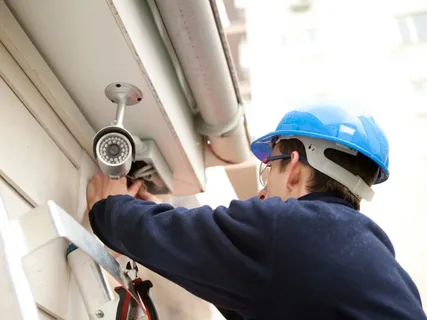

Learn how home alarm installation services can improve security, sensor coverage, entry alerts, and daily peace of mind for homeowners in Darby, PA.
A home security system should do more than sound an alarm after something happens. Proper planning can help detect unauthorized entry, monitor vulnerable areas, and give homeowners better awareness of what happens around their property. Safe Protect Home provides home alarm installation services in Darby, PA, with attention to sensor placement, system coverage, user access, and the practical needs of each home.
Every property has a different layout. A townhouse, detached home, and larger multi-level property may require different sensor locations and equipment. Doors, windows, garages, entryways, and other access points all influence the design of an alarm system.
The goal should be a system that fits naturally into the property while providing useful coverage without unnecessary equipment.
Why Home Alarm Installation Services Matter
A professionally planned alarm system can help homeowners monitor important entry points and receive alerts when the system detects activity. The value of the installation depends heavily on how the equipment fits the home’s layout.
A front door sensor may provide basic entry detection, but a property may also have side doors, basement windows, garage access, or other vulnerable points. Sensor placement should reflect how people enter and use the home.
The location of the control panel also matters. Household members should be able to access it conveniently while keeping it away from locations where accidental damage could occur.
Modern alarm systems can include more than traditional door and window sensors. Depending on the system, homeowners may consider motion detection, glass-break detection, smoke or heat monitoring, smart locks, cameras, and mobile notifications.
Not every home needs every feature. The right setup depends on the property’s layout, household routines, and security priorities.
Planning an Alarm System Around Your Home
The most useful alarm system starts with an evaluation of the property rather than a standard equipment package.
Bedrooms, living areas, garages, basements, and exterior doors each create different considerations. A motion sensor that works well in one room may not make sense in another because of furniture, pets, windows, or normal household movement.
Homeowners should also think about how the system will fit into everyday routines. If family members frequently enter through a garage or side door, those access points deserve appropriate attention.
An alarm system should also remain convenient to operate. Complicated controls can make homeowners less likely to use the system consistently.
Home Alarm Installation Services and Sensor Placement
Home alarm installation services in Darby, PA should account for both security coverage and normal household activity.
Door and window contacts work well for monitoring openings, while motion sensors can provide additional coverage inside selected areas. Glass-break sensors may offer another layer of detection in rooms with larger windows.
The placement of each device should consider:
- Normal walking paths
- Windows and exterior doors
- Garage and basement access
- Pets and household activity
- Furniture placement
- Sensor communication range
- Accessibility for maintenance
Thoughtful placement helps reduce unnecessary alerts while maintaining useful coverage.
Alarm System Installation in North Wales, PA
For homeowners considering alarm system installation in North Wales, PA, the property’s layout should guide equipment selection and placement.
A larger home may have multiple floors and several exterior access points. A smaller home may need fewer devices but still benefit from careful coverage around primary entrances.
Homeowners should also consider how the system connects with other security features. Cameras, smart locks, doorbells, and mobile notifications can complement an alarm system when they work together properly.
Connectivity matters as well. Wireless equipment can simplify installation in certain homes, while wired components may make sense in other situations. The best approach depends on the building, existing wiring, system requirements, and desired features.
Comparing Common Alarm System Features
| Feature | Main Purpose | Best Consideration |
| Door/Window Sensors | Detect opening | Useful for exterior access points |
| Motion Sensors | Detect movement | Placement matters around pets and activity |
| Glass-Break Sensors | Detect certain glass impacts | Useful near vulnerable windows |
| Smoke Detection | Identify smoke conditions | Adds another layer of household awareness |
| Cameras | Visual monitoring | Consider location and privacy |
| Smart Locks | Manage entry access | Useful for controlled household access |
| Mobile Alerts | Send system notifications | Requires suitable connectivity |
The right combination depends on the property. Adding more devices does not automatically create better security if the equipment does not match the home’s actual needs.
What to Consider Before Installation
Homeowners should identify the property’s main entrances and secondary access points before choosing equipment.
Think about how the household uses the garage, basement, patio doors, and other entrances. A door that receives frequent traffic may need a different approach from a rarely used entry.
Consider pets as well. Some homes require careful motion sensor placement to reduce unwanted alerts caused by normal animal movement.
Power and connectivity also deserve attention. Homeowners should understand how the system operates during power interruptions and what backup options may be available for the equipment they choose.
Privacy matters when cameras form part of the system. Cameras should provide useful visibility without unnecessarily recording private areas.
Common Alarm Installation Mistakes
One common mistake is alarm system installation in North Wales, PA without considering everyday household activity. A poorly positioned motion sensor can create unnecessary alerts when family members or pets move through the area.
Another mistake is focusing only on the front entrance. Side doors, garages, basement entrances, and accessible windows can also deserve attention.
Homeowners may also choose equipment based solely on the number of features. A system with many devices can become difficult to manage if those features do not serve a clear purpose.
Poor control-panel placement can create another problem. The panel should remain convenient for authorized users while fitting naturally into the home’s layout.
Finally, homeowners sometimes forget to review the system after furniture or room layouts change. Major changes inside the home can affect sensor coverage.
Best Practices for Home Alarm Systems
Start with the property’s actual security needs rather than choosing equipment first.
Keep sensors accessible for inspection and maintenance.
Review entry points whenever the home’s layout changes.
Use clear user access controls for household members.
Consider how pets and daily activity may affect motion detection.
Keep cameras positioned around useful areas while respecting household privacy.
Learn how alerts, arming modes, and system controls work before relying on the system.
Review the system periodically to make sure the equipment still matches the way the household uses the property.
Choosing an Alarm Installation Professional
When homeowners search for alarm installation near me, location alone should not determine the decision. The quality of the planning and installation matters because equipment placement affects how the entire system performs.
A professional should be able to explain why specific sensors belong in particular locations and how the equipment works together.
It also helps to discuss future needs. A homeowner may eventually want cameras, smart locks, additional sensors, or other connected security features. Planning for possible expansion can make future changes easier.
Conclusion
Alarm installation near me can provide a structured approach to monitoring doors, windows, interior spaces, and other important areas of a property. The most effective setup depends on the home’s layout, household routines, equipment selection, sensor placement, and ease of use.
For homeowners in Darby and North Wales, careful planning can help create a security system that supports everyday living without making the home unnecessarily complicated. Safe Protect Home focuses on the practical details behind alarm installations so homeowners can better understand their options and choose equipment that fits their property’s needs.
FAQ
What does a home alarm installation include?
An installation may include the control panel, door and window sensors, motion detection, alarm devices, and other selected equipment. The exact setup depends on the property’s layout and security requirements.
Where should alarm sensors be installed?
Sensors typically focus on exterior doors, accessible windows, garages, and other important entry points. Motion sensors require careful placement based on room layout, furniture, pets, and normal household activity.
Can an alarm system include cameras?
Yes. Many modern security systems can work alongside cameras, allowing homeowners to combine intrusion detection with visual monitoring.
Are wireless alarm systems reliable?
Wireless systems can work well when the equipment has appropriate communication range and suitable installation conditions. The right choice depends on the building and system requirements.
How often should an alarm system be checked?
Homeowners should periodically test the system, review sensor operation, check batteries where applicable, and make sure the equipment still matches the home’s layout and daily routines.