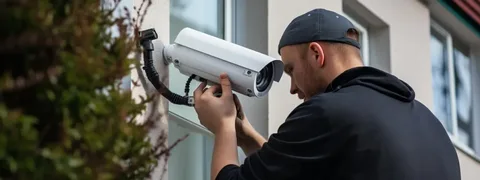
Learn about CCTV installation in North Wales, PA, including camera types, placement, security camera setup, maintenance, recording, and privacy tips.
Choosing the right Safe Protect Home for a home or business involves more than mounting cameras on walls. The system needs to cover important areas, record useful footage, provide reliable access, and work properly day after day. For property owners in North Wales, PA, planning these details before installation can make a major difference in security and usability.
A good surveillance system starts by identifying what needs protection. Entry doors, driveways, parking areas, hallways, storage spaces, and other vulnerable locations may require different camera positions or features. The goal is to create practical coverage without adding unnecessary equipment.
Why CCTV Systems Matter for Property Security
Security cameras can provide visibility around a property and help document activity when an incident occurs. They may also allow homeowners and business owners to check specific areas without physically being there.
A well-planned system can help with:
- Monitoring entrances and exits
- Watching driveways and parking areas
- Checking indoor common areas
- Recording activity around valuable equipment
- Reviewing incidents after they occur
- Improving awareness of activity around a property
Cameras work best as one part of a broader security plan. Lighting, strong locks, access controls, alarms, and good security habits can complement video surveillance.
Understanding Different CCTV Camera Types
Not every camera works equally well in every location. The right choice depends on the area being monitored, lighting conditions, viewing distance, and whether the camera will operate indoors or outdoors.
Common options include:
- Bullet cameras: Often used for outdoor areas and longer viewing distances.
- Dome cameras: Compact designs that work well indoors and in many commercial settings.
- PTZ cameras: Allow users to pan, tilt, and zoom across larger areas.
- Wireless cameras: Can simplify installation where running cables presents challenges.
- IP cameras: Connect to a network and can provide high-resolution digital video.
Before choosing equipment, consider image quality, night vision, weather resistance, storage requirements, connectivity, and compatibility with the recording system.
Planning Your CCTV Installation
A successful CCTV installation in North Wales, PA begins with a site assessment. Walk around the property and identify areas where visibility is limited or where unwanted activity could occur.
Consider these questions:
- Which entrances need continuous monitoring?
- Are there areas hidden from street or interior views?
- Will cameras face direct sunlight or strong artificial lighting?
- How far does each camera need to see?
- Do outdoor cameras need weather-resistant housing?
- How long should recorded footage remain available?
Planning these details first helps avoid blind spots and unnecessary camera purchases.
Security Camera Setup and Placement
Proper security camera setup affects how useful the footage will be. A camera may technically record an area but still produce poor evidence if it points too high, faces a bright light, or sits too far from the subject.
For exterior cameras, useful locations often include:
- Front and rear doors
- Driveways
- Garages
- Side entrances
- Parking areas
- Gates or access points
Indoor cameras may cover entryways, reception areas, hallways, storage rooms, or other shared spaces where monitoring is appropriate.
Avoid positioning cameras where trees, decorations, walls, or other objects can block the view.
Recording, Storage, and Remote Access
Modern surveillance systems can store video locally, remotely, or through cloud-based services. Each option has different benefits and costs.
Local storage can provide direct control over recorded footage and may reduce dependence on an internet connection. Cloud storage can make remote access easier but may involve recurring fees and internet requirements.
When reviewing storage options, consider:
- Number of cameras
- Video resolution
- Recording schedule
- Motion detection settings
- Retention period
- Available storage capacity
- Backup requirements
Remote access can also allow authorized users to view live or recorded footage from a phone, tablet, or computer.
CCTV Setup and Maintenance
Regular CCTV setup and maintenance in Chester, PA keeps a surveillance system reliable after installation. Cameras can shift, lenses can collect dirt, cables can become damaged, and software may require updates.
A basic maintenance routine should include:
- Cleaning camera lenses
- Checking camera angles
- Testing night vision
- Reviewing recording quality
- Checking cables and connections
- Updating system software when appropriate
- Testing remote access
- Reviewing storage capacity
- Replacing damaged equipment
It is also useful to test the system after severe weather or other events that could affect exterior equipment.
Common CCTV Installation Mistakes
Several mistakes can reduce the value of an otherwise capable surveillance system.
Poor Camera Placement
Installing cameras too high or too far from the intended viewing area can make faces and other important details difficult to identify.
Ignoring Lighting
A camera facing strong sunlight, headlights, or a bright indoor fixture may produce washed-out images. Test the view during different lighting conditions.
Choosing Equipment Without Checking Compatibility
Cameras, recorders, networks, storage systems, and mobile applications need to work together. Compatibility should be confirmed before purchasing equipment.
Forgetting About Privacy
Cameras should monitor areas where surveillance is appropriate. Avoid unnecessarily recording private spaces or neighboring properties.
Best Practices for CCTV Systems
A few practical habits can improve system performance:
- Keep cameras at appropriate viewing angles.
- Use motion detection where it makes sense.
- Protect network-connected cameras with strong passwords.
- Limit system access to authorized users.
- Keep firmware and software updated.
- Maintain adequate recording storage.
- Check footage periodically instead of waiting for an incident.
- Document camera locations and equipment details.
Businesses should also establish clear policies about who can access recorded footage and how long recordings should be retained.
Actionable Tips Before Installation
Before arranging a surveillance project in North Wales, PA, property owners can:
- Sketch a basic property layout.
- Mark doors, gates, parking areas, and other priority locations.
- Identify potential camera blind spots.
- Check available internet and network connections.
- Decide whether local or cloud storage fits the project.
- Determine how much recording history is necessary.
- Review indoor and outdoor lighting.
- Consider future expansion if additional cameras may be needed.
- Confirm privacy requirements before finalizing camera positions.
These steps make it easier to develop a system around actual security needs instead of simply adding cameras wherever installation seems convenient.
Conclusion
A well-designed CCTV installation should provide clear coverage, dependable recording, and convenient access without creating unnecessary complexity. Property owners in North Wales, PA, can improve results by planning camera locations, choosing equipment based on the environment, and maintaining the system regularly.
Good security camera setup also depends on lighting, storage, network security, and privacy considerations. With thoughtful planning and routine CCTV setup and maintenance, a surveillance system can remain useful long after the initial installation.
FAQ
How many CCTV cameras does a property need?
The number depends on the property’s size, layout, entry points, and security goals. A site assessment can help identify priority areas and potential blind spots.
Should CCTV cameras be placed indoors or outdoors?
It depends on what needs monitoring. Outdoor cameras can cover entrances, driveways, and parking areas, while indoor cameras may monitor entryways, hallways, or shared spaces.
Can CCTV cameras work at night?
Many modern cameras include infrared or other low-light features. However, lighting conditions and camera specifications affect nighttime image quality.
How often should CCTV systems be maintained?
Basic checks should occur regularly. Lenses, camera angles, connections, recording quality, storage, and software should all receive periodic attention.
Can I access CCTV footage remotely?
Many network-connected systems support remote viewing through authorized mobile or web applications. The exact features depend on the camera and recording system.