
Learn how door access control in North Wales, PA can improve entry management, keyless access, user permissions, monitoring, and everyday property security.
Controlling who can enter a home, office, apartment building, warehouse, or other property is an important part of security planning. Traditional keys may still work for many buildings, but they can become difficult to manage when several employees, tenants, contractors, or visitors need different levels of access. Safe Protect Home provides security system installation services for residential and commercial properties, including access control, cameras, intercoms, alarms, and low-voltage security systems. Door access control can replace or supplement traditional keys with keypads, cards, mobile credentials, biometric devices, or other electronic entry methods. Property owners in North Wales, Norristown, and nearby Pennsylvania communities can use these systems to manage who enters specific doors and when access is permitted. The right setup depends on the building layout, number of users, entry points, existing doors, and security goals. This guide explains access control components, installation planning, user permissions, commercial applications, maintenance, and important questions to consider before selecting a system.
What Is a Door Access Control System?
An access control system manages entry through selected doors using electronic credentials instead of relying only on traditional mechanical keys.
Electronic Entry Management
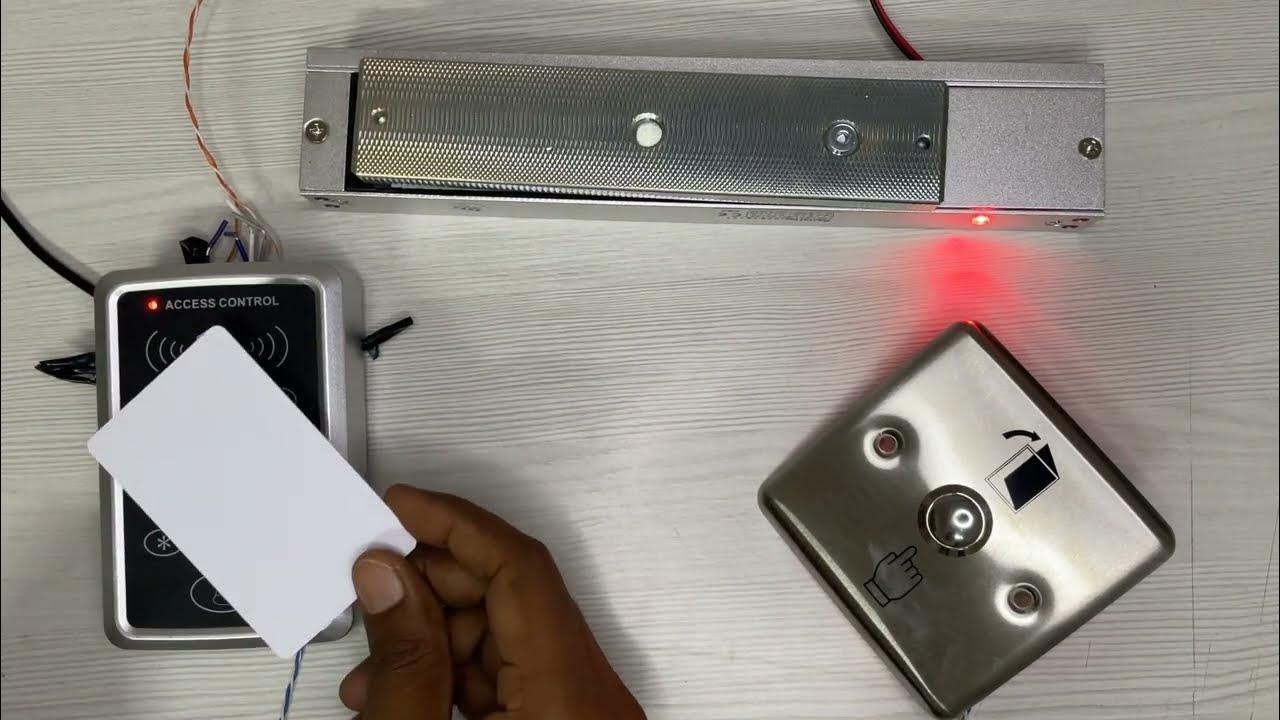
Users may enter through a keypad code, card, key fob, smartphone credential, biometric reader, or another compatible method.
The system determines whether the user has permission to enter and can activate the connected locking hardware when access is approved.
Professional door access control system installation can include electronic access equipment, system integration, wiring, programming, user setup, and configuration of access levels.
Different Permissions for Different Users
One advantage of electronic access management is the ability to provide different users with different permissions.
An employee may be allowed through a main entrance during business hours, while a manager may need access to additional areas.
Property owners can design permissions around actual roles rather than giving every user access to every protected door.
Common Access Control Components
An access control system may contain several devices that work together.
Keypads
Keypads allow authorized users to enter a code at the door.
They can be useful when property owners want controlled entry without distributing physical cards or keys.
Codes should be managed carefully and changed when access should no longer be available to a former employee, tenant, or contractor.
Card and Fob Readers
Electronic cards and fobs can provide convenient access for offices, apartment buildings, commercial facilities, and other properties with multiple authorized users.
If a credential is lost, its permission may be removed without changing every lock in the building.
Mobile Access
Some access control systems allow users to manage or unlock compatible entrances through smartphones.
Mobile systems may be useful for property managers, businesses, or other users who want more flexible control over approved entry.
Available features depend on the equipment and system configuration.
Biometric Readers
Certain systems may use fingerprints or other biometric identification.
These solutions may be considered where a property requires a different level of user verification.
The appropriate technology depends on the security needs, number of users, and operating environment.
Plan Access Control Around the Property
A useful system should be designed around how people actually move through the building.
Identify Important Entry Points
Not every door necessarily needs electronic control.
Main entrances, employee entrances, storage rooms, offices, equipment spaces, or restricted areas may have different security requirements.
Identifying the most important doors helps define the project before equipment is selected.
Review Existing Doors and Frames
Electronic access equipment needs to work with the physical door, frame, lock, and surrounding structure.
A damaged or poorly aligned door may need separate attention before access control hardware can operate correctly.
The security system should not be expected to correct structural problems with the door itself.
Consider Daily Traffic
A heavily used commercial entrance may need different hardware from a low-traffic interior office door.
Property owners should consider how many people use each entrance and how frequently access occurs throughout the day.
Door Access Control in North Wales, PA
Safe Protect Home’s North Wales page specifically supports access control systems using smart keypad entry, biometric locks, remote access options, and user-management features.
Property owners considering door access control in North Wales, PA should begin by identifying who needs access and which doors require tighter control.
Residential Access Control
Homeowners may use electronic entry at main entrances, rental properties, home offices, garages, or other selected areas.
Keyless access can reduce dependence on spare keys and can make it easier to change permissions when household or property needs change.
The system should remain simple enough for regular users to operate without unnecessary complexity.
Business Entry Management
Businesses may need separate access rules for employees, managers, vendors, cleaning crews, and visitors.
Electronic systems can help organize those permissions without issuing the same type of key to everyone.
Access schedules may also be useful for users who only need entry during certain hours.
Access Control Systems in Norristown, PA
Safe Protect Home’s Norristown page also supports smart locks, multi-entry access management, mobile controls, and access control for businesses and other properties.
Businesses and property owners researching access control systems in Norristown, PA should consider whether the system needs to manage one entrance or several protected areas.
Multi-Door Systems
Larger properties may need several doors connected to the same access-control platform.
This can allow administrators to manage permissions from one system instead of maintaining separate procedures for each entrance.
Planning should identify which users need access to each area.
Restricted Business Areas
Storage rooms, equipment spaces, offices, records areas, and other restricted locations may require tighter access than public or customer-facing areas.
A business can assign permissions according to employee responsibilities while keeping general entrances easier to manage.
Access Control and Visitor Management
Employees and residents are not the only people who may need to enter a property.
Temporary Access
Contractors, vendors, cleaners, delivery personnel, or temporary workers may need access for a limited period.
Electronic permissions can make temporary access easier to manage than permanent physical keys.
The administrator should remove permissions when the approved period ends.
Intercom Integration
Some properties may combine access control with phone entry or intercom systems.
Visitors can communicate with a resident or employee before entry is granted.
This can be especially useful at apartment buildings, offices, gated properties, and other locations where visitor screening is important.
Camera Integration
Compatible surveillance systems may also be used around entrances.
Cameras and access control serve different purposes, but they can support a broader security plan when properly designed.
User Permissions and Access Levels
The value of access control depends partly on how carefully permissions are managed.
Avoid Giving Everyone Full Access
Giving every user the same permissions can reduce the benefit of having an electronic access system.
Access should match the areas each person actually needs to use.
Remove Old Users Promptly
When an employee leaves, a tenant moves out, or a contractor finishes work, outdated credentials should be removed.
Regular user reviews can help prevent old permissions from remaining active unnecessarily.
Review Access Schedules
Some users may need access only during business hours or on specific days.
Scheduled permissions can help align entry rights with normal work or occupancy patterns.
Installing Access Control in Existing Buildings
Access control can often be added to existing properties, but the installation may require careful planning.
Wiring Requirements
Some equipment requires low-voltage wiring between readers, locks, controllers, power supplies, and other system components.
Existing building construction can affect how easily wiring can be routed.
Wireless or network-connected components may reduce certain wiring needs, but every system has its own requirements.
Locking Hardware
Electronic strikes, magnetic locks, or other compatible locking devices may be used depending on the door and system design.
The hardware must work correctly with the existing entrance.
System Programming
After physical installation, user accounts, permissions, access schedules, and other settings need to be configured.
Testing should confirm that approved users can enter and unauthorized credentials are denied.
Maintaining an Access Control System
Security equipment should be checked periodically after installation.
Test Important Doors
Property managers should make sure readers, locks, and release functions continue operating correctly.
A door that does not close or latch properly can create a security problem even when the electronic system is working.
Review User Lists
Regularly check which credentials remain active.
Removing unnecessary accounts can keep access permissions easier to manage.
Update the System When Needs Change
Businesses grow, tenants change, and room functions can change over time.
Access settings should be updated when the way a property is used changes.
Adding or removing users should be treated as part of normal system management.
Choosing an Access Control Installer
A useful security plan should start with the building rather than with a specific product.
Discuss the Number of Doors
Tell the installer which entrances need electronic control and whether additional doors may be added later.
Future expansion can influence the system selected at the beginning.
Explain Who Needs Access
Describe employees, residents, managers, contractors, visitors, and other user groups.
This helps determine which credential types and permission levels may be practical.
Ask About Integration
If the property already has cameras, alarms, intercoms, or other security equipment, ask whether the proposed access system can work with those components.
Integration should be based on actual compatibility rather than assumptions.
Conclusion
Door access control systems can make entry management more organized for homes, businesses, apartment buildings, offices, and other properties. Instead of relying only on physical keys, property owners can use keypads, cards, fobs, smartphones, biometric readers, or other electronic credentials to manage approved access.
For properties in North Wales and Norristown, the strongest system starts with understanding the building layout, important entrances, user groups, and daily traffic patterns.
Access control should also include regular management after installation. User permissions need to be updated, outdated credentials should be removed, and doors and locking hardware should continue to be checked.
By selecting equipment that matches the property and configuring permissions around real security needs, owners and managers can create a more practical way to control who enters protected areas.
Frequently Asked Questions
What is a door access control system?
A door access control system uses electronic credentials and locking equipment to manage who can enter selected areas of a property.
What types of access credentials can be used?
Depending on the system, users may enter with keypad codes, cards, key fobs, smartphone credentials, biometric readers, or other compatible devices.
Can access control be installed in an existing building?
Yes. Many existing properties can add access control, although door condition, wiring, network access, locking hardware, and building layout should be evaluated first.
Can different employees have different access permissions?
Yes. Electronic systems can be configured so different users have access to different doors, areas, schedules, or times.
Can access control work with an intercom system?
Compatible systems can often be connected with phone entry or intercom equipment so visitors can communicate with occupants before entry is approved.
What maintenance does an access control system need?
Regular maintenance can include testing doors and readers, reviewing user permissions, removing old credentials, checking locking hardware, and updating system settings when property needs change.