Budgeting for alarm system installation in Philadelphia PA? Get real numbers on equipment, install, monitoring, and what each piece is worth.
Home alarm systems used to be something only fancy houses had. A keypad by the front door, sensors on the windows, and a sticker on the lawn that said “Protected by…” Most folks figured a security system was for the rich and the paranoid. Things have changed a lot. Now alarm systems are common, affordable, and most of them work just as well in a row home in Fishtown as they do in a big single-family house out in Chestnut Hill.
If you live in Philadelphia, you already know the city has its share of property crime. A good alarm system gives your family a real safety net. The question most folks have is not whether they need one. It is what the whole thing actually costs. The team at Safe Protect has handled plenty of alarm installs across Philly and the surrounding areas, and we want to walk through the real numbers so you can plan a budget that makes sense.
Why Alarm Costs Vary So Much
People often look at two quotes for the same house and see prices that are hundreds of dollars apart. The gap usually comes down to three things. The equipment quality. The number of components. And whether monitoring is included or extra.
A 2024 report from the Electronic Security Association found that the average home alarm install in the U.S. costs $1,200 to $2,500, with monthly monitoring adding $30 to $60 on top. The wide range comes from how much coverage you actually need. A small row home with three windows and one door needs way less equipment than a four-bedroom suburban house with French doors and a finished basement.
Have you ever been quoted one price by phone and then a much higher one once the installer walked the house? That happens because no two homes need the same setup. The walk-through is what tells you the real number.
The Equipment Side of the Budget
Let’s break down what actually goes into an alarm system. Here is what most homes in Philadelphia end up with:
- A main control panel, the brain of the system
- A keypad or two for arming and disarming
- Door sensors for every entry point
- Window sensors for ground-floor windows
- Motion detectors for hallways and main rooms
- A loud siren that goes off if the alarm trips
- A backup battery in case of power outage
- A cellular or wifi module for remote monitoring
- Yard signs and window stickers as a deterrent
Most alarm packages come bundled, so you do not buy each piece separately. But knowing what each part does helps you decide what to skip and what to keep.
A Look at Common System Packages
Here is a side by side of what folks usually pick in Philadelphia:
| Package Level | Typical Cost | What You Get | Best For |
| Basic | $400 – $900 | Panel, 3-4 sensors, keypad | Apartments, small homes |
| Standard | $1,000 – $1,800 | Panel, 6-8 sensors, motion, app | Most row homes, average houses |
| Premium | $2,000 – $3,500 | Full coverage, glass break, smoke, app, cellular | Larger homes |
| Smart home combo | $2,500 – $5,000 | Alarm plus cameras plus smart locks | Tech-forward homeowners |
Most homeowners in Philly land in the standard bracket. That covers a regular home with full perimeter protection and remote phone access.
Monthly Monitoring Costs
This is the part folks often forget about when planning a budget. The alarm system itself is a one-time cost. Monitoring is a monthly fee that keeps a service watching your alarm 24/7. When the alarm trips, the monitoring center calls you and then calls the police if you do not respond.
Monitoring costs run as follows:
- Basic landline monitoring: $20 to $30 per month
- Cellular monitoring: $35 to $50 per month
- Full smart monitoring with cameras: $50 to $70 per month
- No monitoring, just local siren: $0 per month
Self-monitoring with no service costs nothing monthly but means you handle the calls yourself when something happens. That works fine if you are always near your phone, but most folks pay for the service because it covers them while they sleep, travel, or are at work.
A 2023 report from the FBI showed that homes with monitored alarm systems are 300% less likely to be burglarized than homes without one. The deterrent effect alone often justifies the monthly fee.
The Install Cost
Equipment is one piece. Labor is another. A real professional install includes:
- Site walk and planning meeting
- Mounting and wiring the control panel
- Setting up each sensor on doors and windows
- Programming codes and zones
- Connecting to monitoring service
- Testing every sensor
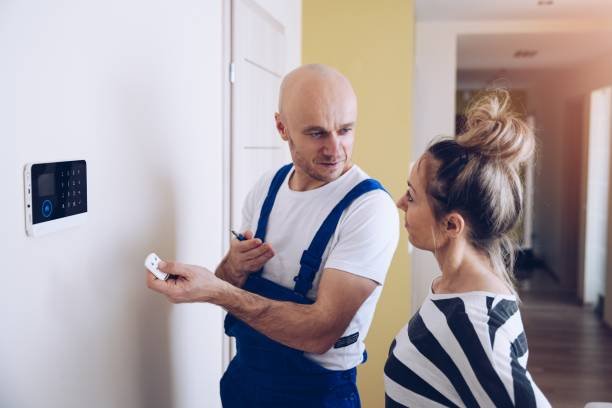
- Training you on how to use the system
Most professional installs in Philly run $300 to $700 in labor, depending on how big the system is and how complex the wiring runs. Wireless systems install faster, often in a few hours. Hardwired systems take longer because they involve running cable through walls. The team that handles Best alarm installation near me in Philadelphia, PA typically does a free quote so you know the labor cost upfront before signing anything.
What You Save by Going DIY (And What You Risk)
A lot of folks consider DIY alarm kits to save money. The boxes promise easy install. The sticker price looks great. So why pay for a pro?
The honest answer is, DIY works for some folks and fails for others. The savings can be real. A DIY system from a big-box store often runs $200 to $500 total. That sounds great compared to a $1,500 professional install.
But here is the catch. DIY systems often have setup issues that homeowners do not catch. Sensors mounted in spots that miss real entry points. Motion detectors aimed at heat sources that cause false alarms. Network configurations that leave the system open to hacking. We get calls every month from folks who tried DIY first and need a pro to fix or replace it within the first year.
A 2024 study from the Insurance Information Institute showed that homes with professionally installed alarm systems average 28% fewer false alarms than DIY ones. Fewer false alarms means fewer fines from the city, since Philadelphia charges $50 to $100 per false alarm after the first three in a year.
A Story From a Philly Install
We had a family in South Philly call us last spring after their DIY system failed during an actual break-in attempt. Someone had tried to pry open their back door at 3am. The DIY motion sensor on the back porch had been mounted too low, behind a stack of patio chairs. It never tripped. The intruder was scared off only because a neighbor’s dog started barking.
We came out, walked the house, and found three more spots where the old system missed coverage. Two windows had no sensors at all. The basement had a motion detector pointed at the furnace, which had been causing false alarms for months. The control panel was hidden in the upstairs hallway closet, away from the entry doors.
The new install put sensors on every door and window, added two well-placed motion detectors, swapped the old keypad for one near the front door, and connected everything to cellular monitoring. Total cost came to about $1,650 with the first year of monitoring included. They told us afterward they felt better knowing the system would actually work next time something happened.
Smart Add-Ons That Are Worth the Money
Some upgrades over the basic alarm system are worth the extra cost. Others are not. Here is what we usually recommend:
Worth it:
- Smoke and carbon monoxide sensors tied to the alarm system
- Glass break detectors for ground-floor rooms with big windows
- A cellular backup so the alarm works if internet goes down
- Phone app access so you can arm and disarm remotely
- Yard signs, since the deterrent effect is real and free
Not always worth it:
- Pet-immune motion detectors if you do not have pets
- Panic buttons in every room
- Backup keypads in less-used parts of the house
- Premium siren upgrades
A 2023 Houzz survey found that 64% of homeowners with alarm systems said the phone app was the feature they used most. So that one is almost always worth adding even on a tight budget.
Wrapping It Up
Budgeting for an alarm system in Philly comes down to balancing the upfront equipment cost with the monthly monitoring fee. Plan for $1,000 to $2,000 in install costs for a standard home, plus $30 to $50 per month for monitoring. Skip the cheapest DIY route unless you really know what you are doing with the install. Pick a crew that does a real site walk, explains every line item, and includes training on how to use the system. The peace of mind from a working alarm is worth every dollar. If you want help with Expert alarm system installation in Philadelphia, PA, our team is happy to come walk through your home and give you an honest quote.
Frequently Asked Questions
How much does a basic alarm system cost in Philadelphia? Most basic systems for smaller homes or apartments run $400 to $900 for equipment and install. Adding monitoring brings the cost to about $700 to $1,200 in the first year. Standard packages for average row homes or single-family houses usually fall in the $1,000 to $1,800 range, plus monthly monitoring on top.
Is professional installation really worth it over DIY? For most folks, yes. DIY kits save money upfront but often miss key entry points, suffer from false alarms, or have network setup problems that leave the system vulnerable. A trained installer plans the sensor placement, sets up the network securely, and trains you on how to use everything. The professional touch often pays back in fewer issues over the life of the system.
Do alarm systems work during power outages? Yes, most modern alarm systems include a backup battery that keeps things running for 24 to 48 hours during a power outage. Cellular-backed systems also keep working even when your internet goes down, since they have their own connection to the monitoring center. Ask about backup options during the install quote.
Can I install an alarm system in a rental property? Yes, but check your lease first. Wireless alarm systems work great in rentals because they peel off and move with you. Some landlords let you install hardwired systems if you ask and agree to leave them or pay for any holes patched. Plenty of property management companies actually welcome alarm systems since they reduce risk for them too.
Will my alarm system lower my home insurance? Most homeowners insurance companies in Philadelphia offer 5% to 20% discounts for homes with monitored alarm systems. The exact amount depends on your provider and your policy. The discount alone often covers a chunk of the monthly monitoring cost. Always tell your insurance agent after the install so they can update your policy and apply the discount.